
Skip to content
Dawon
Dawon
Securing Critical Infrastructure

World's First Full Stack Critical Infrastructure Cyber Resilience Platform.

Transforming Critical Infrastructure Through Operator Led Cyber Resilience

Open Roles
Align with Industry Specific Regulations
IEC 62443
NIST SP 800 82
NIST CSF 2.0
NERC CIP
NIS2
EU CRA
ISO/IEC 27001
ISO/IEC 27019
ISO 22301
TSA SD
API 1164
NCSC CAF
NCA OTCC
NCA ECC
NCA CSCC
Aramco SACS 002
SAMA
UAE IAS
UAE CSC
DESC ISR
ADSIC
Qatar NIA
Oman CSF
CITRA
Bahrain NCSC
CERT In Directions 2022
NCIIPC
CEA
Indian Railways
AERB
PNGRB
SEBI CSCRF
RBI
Telecom Cyber Security Rules 2024
IT Act Section 70
DPDP Act 2023
BIS IS/IEC 62443
The Fragmentation Problem

Critical infrastructure cyber defense remains fragmented and lacks a cohesive, integrated approach

Critical infrastructure is X-IOT OEM driven, is largely designed, configured, supported, and maintained according to the original equipment manufacturer's architecture and lifecycle, it creates several strategic cybersecurity gaps. These are less about individual vulnerabilities and more about governance, resilience, and control.

The Strategic Gaps

  • Vendor Dependency

    Why It Exists

    Operators rely on OEMs for patches, firmware, configurations, and support.

    Cybersecurity Impact

    Slow response to emerging threats and limited operational autonomy.

  • Limited Security Ownership

    Why It Exists

    Security responsibility is often assumed to belong to the OEM rather than the asset owner.

    Cybersecurity Impact

    Accountability gaps during incidents.

  • Patch Latency

    Why It Exists

    OT systems require OEM validation before updates.

    Cybersecurity Impact

    Known vulnerabilities remain exploitable for extended periods.

  • Opaque Systems

    Why It Exists

    Proprietary protocols and closed architectures reduce visibility.

    Cybersecurity Impact

    Harder to monitor threats or perform independent security assessments.

  • Restricted Monitoring

    Why It Exists

    OEM support contracts may limit deployment of third party security tools.

    Cybersecurity Impact

    Reduced detection capability and blind spots.

  • Supply Chain Risk

    Why It Exists

    Trust is concentrated in a relatively small number of vendors.

    Cybersecurity Impact

    Compromise of an OEM can affect many critical infrastructure operators simultaneously.

  • Technology Lock in

    Why It Exists

    Switching vendors is expensive and operationally risky.

    Cybersecurity Impact

    Security improvements become constrained by the vendor's roadmap.

  • Legacy Lifecycle

    Why It Exists

    OT equipment often remains in service for 20 to 30 years.

    Cybersecurity Impact

    Unsupported operating systems and outdated cryptography persist.

  • Remote Access Exposure

    Why It Exists

    OEMs frequently require remote maintenance access.

    Cybersecurity Impact

    Expanded attack surface and increased third party risk.

  • Configuration Control

    Why It Exists

    Critical configurations are often managed by OEM engineers.

    Cybersecurity Impact

    Limited ability for operators to implement security hardening independently.

Strategic Consequences

An OEM centric operating model often means that cybersecurity maturity is constrained by the vendor's capabilities rather than the operator's risk appetite. This creates several broader issues:

  • Cybersecurity becomes reactive rather than risk driven.

    Security improvements tend to follow OEM release cycles instead of evolving threat intelligence.

  • Operational resilience depends on vendor resilience.

    If an OEM experiences a cyber incident, software compromise, or business disruption, operators may have limited alternatives.

  • Security architectures become inconsistent.

    Different OEMs implement authentication, logging, encryption, and remote access differently, making enterprise wide security governance difficult.

  • Incident response is slowed.

    Organizations may need OEM approval or support before making forensic changes or restoring systems.

  • Asset visibility suffers.

    Operators often lack complete inventories of embedded software, firmware versions, and software bills of materials (SBOMs), making vulnerability management difficult.

We Designed Dawon

One Platform, that shifts OEM led Security to Operator led Cyber Security Model

Aligning control over cyber risk with accountability for operational resilience.

Independent X-IOT Security Governance

Centralized governance capabilities that enable organizations to define and enforce cybersecurity policies independent of OEM specific recommendations.

Incorporates regulatory compliance requirements while supporting organization specific security standards tailored to the operational and risk profile of critical infrastructure.

The platform establishes consistent security controls, standardized risk management practices, and clear accountability for asset owners across the OT environment.
Continuous X-IOT Visibility

Delivers continuous visibility across the entire Extended IoT (X-IoT) environment through passive asset discovery, network monitoring, and automated inventory management.

Maintains real time awareness of connected devices, firmware versions, software components, communication paths, and operational changes.

Comprehensive visibility provides the foundation for vulnerability management, threat detection, compliance reporting, and informed operational decision making.

Adaptive Security Architecture

OT environments cannot be patched or modified frequently, Dawon incorporates an adaptive security architecture that maximizes the effectiveness of security investments while reducing the chances of cyber attacks.

By combining adaptive security controls with real time risk assessments and operationally aware security baselines, it provides an accurate and dynamic cybersecurity risk posture.

Layered security approach contains threats, limits their spread, and minimizes disruption to critical operations.

Threat Intelligence, Research and Cyber Informed Engineering

Correlates global threat intelligence with the organization's operational environment, prioritizes relevant risks, uncovers hidden threats, and enables early detection of sophisticated attacks.

Intelligence driven approach strengthens cyber resilience, enhances situational awareness, and supports faster, risk informed response across critical infrastructure.

Cybersecurity gets embedded throughout the engineering lifecycle. Enables engineers to incorporate secure by design principles into system architecture, asset deployment, and operational processes.

Third Party Risk Management

Comprehensive management of cybersecurity risks associated with OEMs, system integrators, and external service providers.

Supports secure vendor onboarding, continuous monitoring of third party remote access, Software Bill of Materials (SBOM) management, and coordinated vulnerability disclosure processes.

Integrates supply chain security into daily operations, strengthens trust across the entire X-IOT ecosystem and reduces exposure to third party cyber risks.

Operational Resilience

Beyond preventing cyber attacks, strengthens the organization's ability to withstand, respond to, and recover from cyber incidents.

Disaster Recovery and Cyber Crisis Management is supported by automated recovery procedures, cyber incident response orchestration, and resilience testing drills.

Enables contingency planning that allows critical operations to continue even during prolonged vendor outages or major cyber disruptions, ensuring the continuity of essential services.

Industries

Years of Research and Intelligence, Built to Protect Critical Infrastructure.

Oil refinery with pipework and processing towers at dusk

Oil & Gas

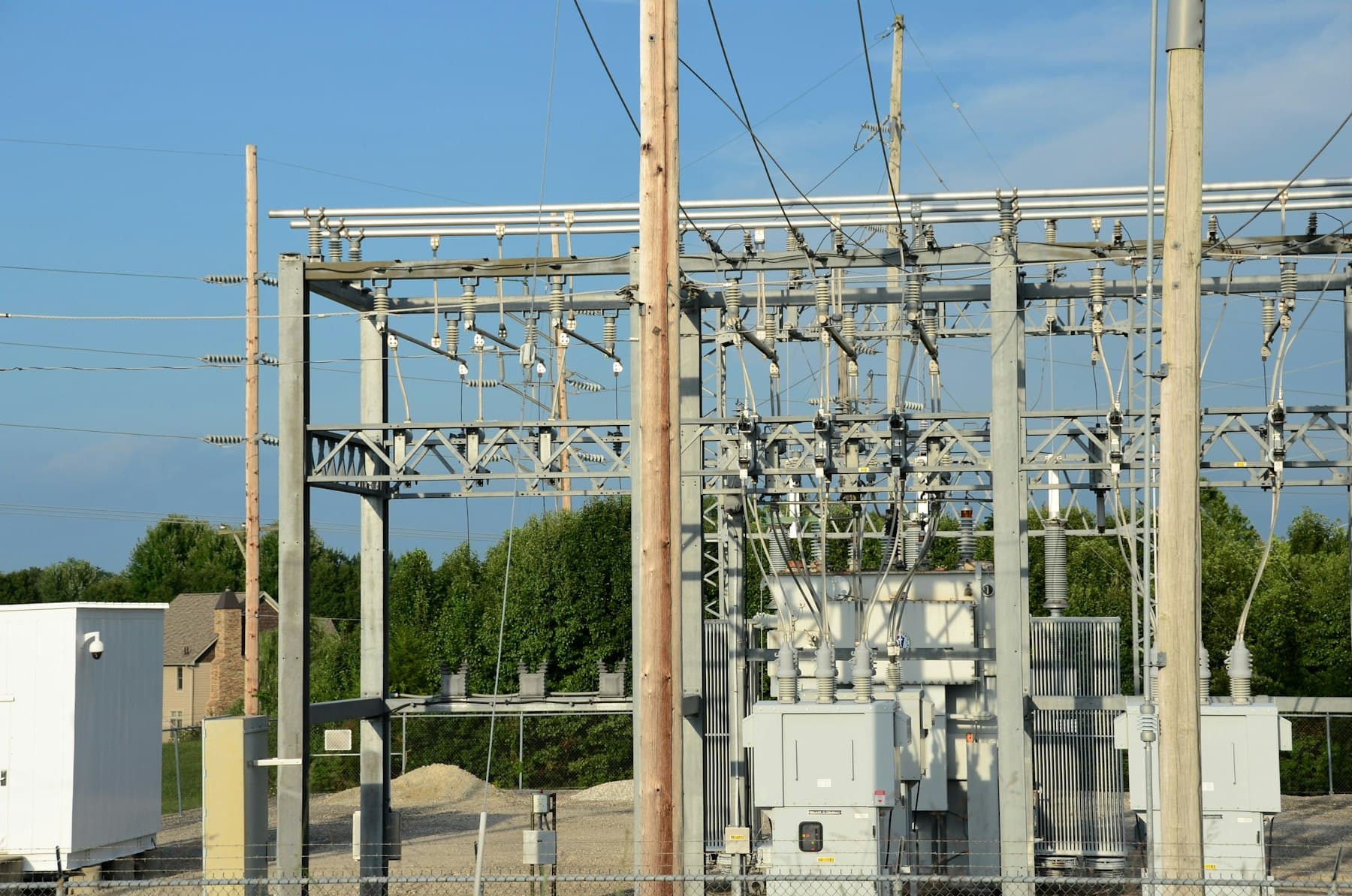
Electrical substation with transformers and transmission lines

Energy & Power Utilities

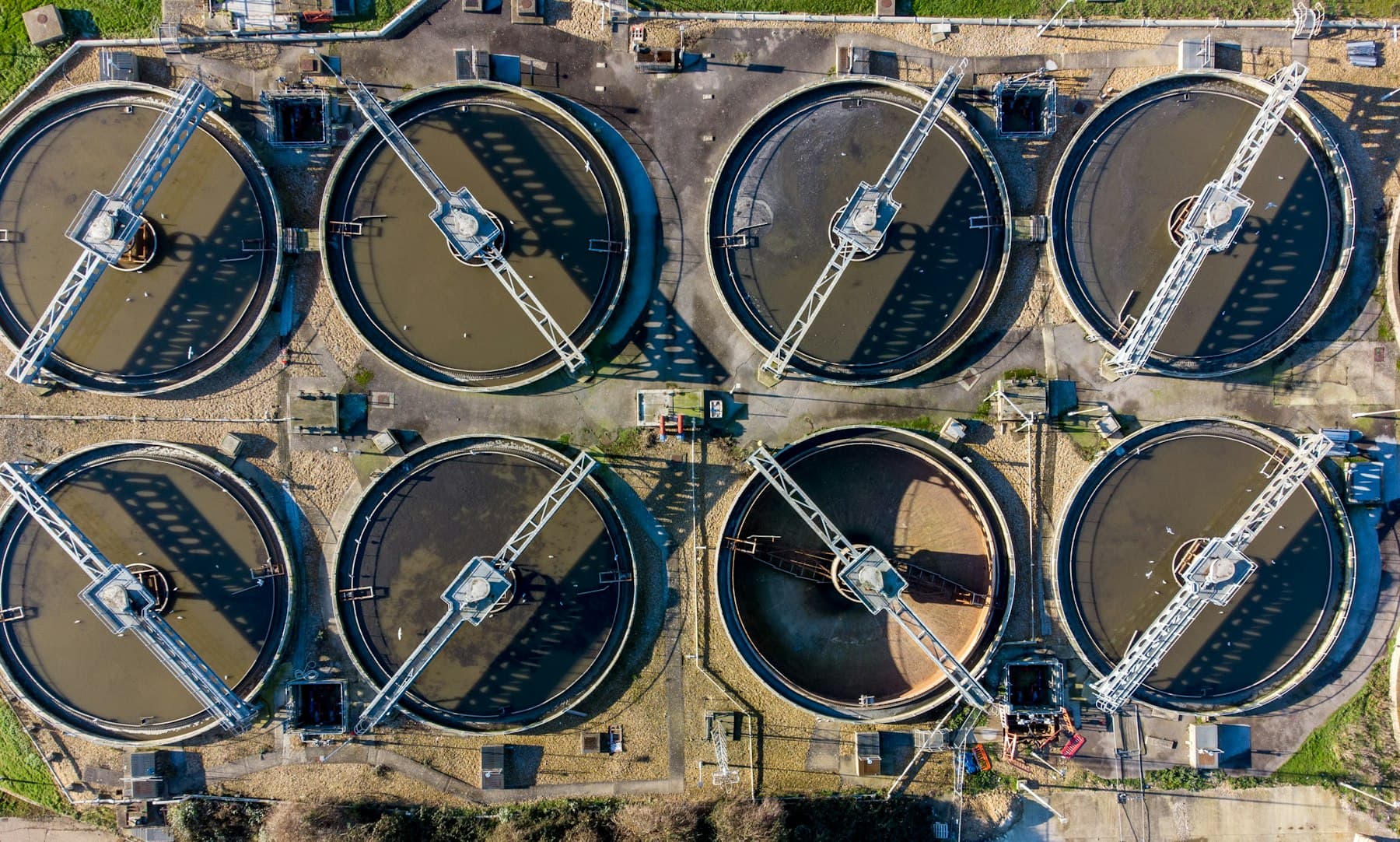
Water treatment plant with settling tanks and control infrastructure

Water, Wastewater & Desalination

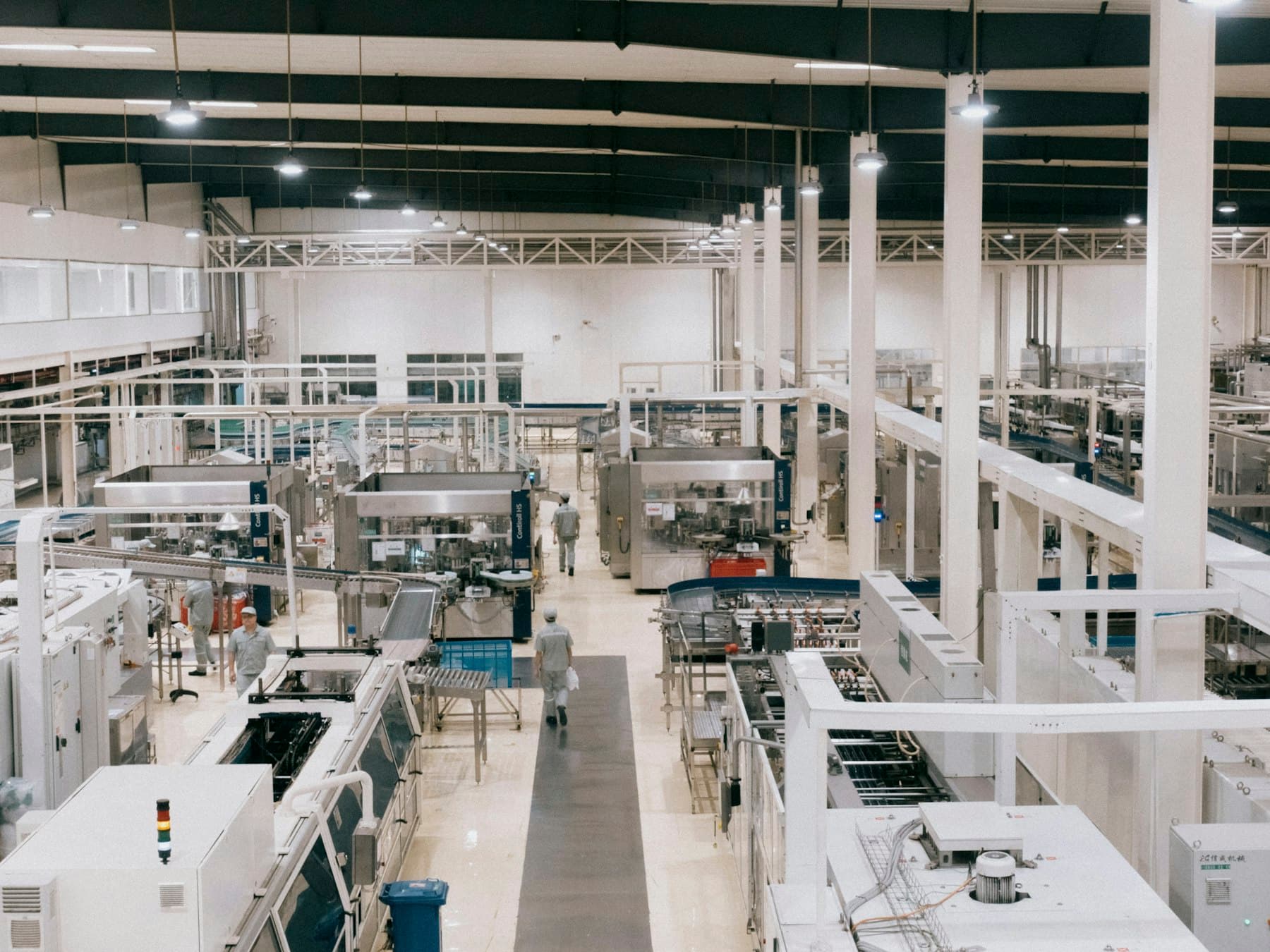
Industrial factory floor with machinery and overhead lighting

Manufacturing

Assorted pharmaceutical tablets and capsules

Healthcare & Life Sciences

Nuclear power plant cooling towers against a blue sky

Nuclear Facilities

Aerial view of a rail yard with multiple tracks and rolling stock

Transportation & Logistics

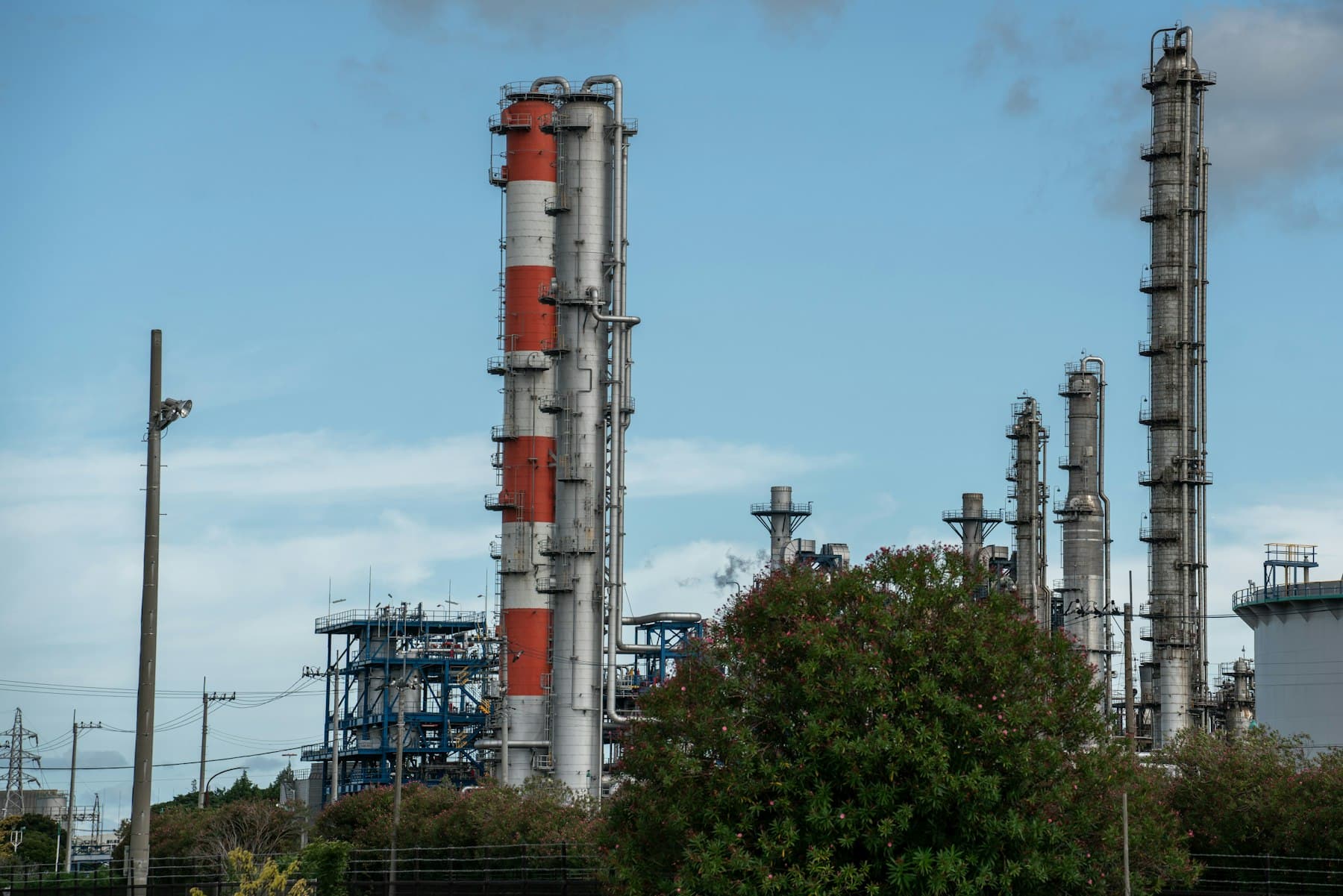
Industrial chemical plant with smoke stacks and processing towers

Chemical & Petrochemical

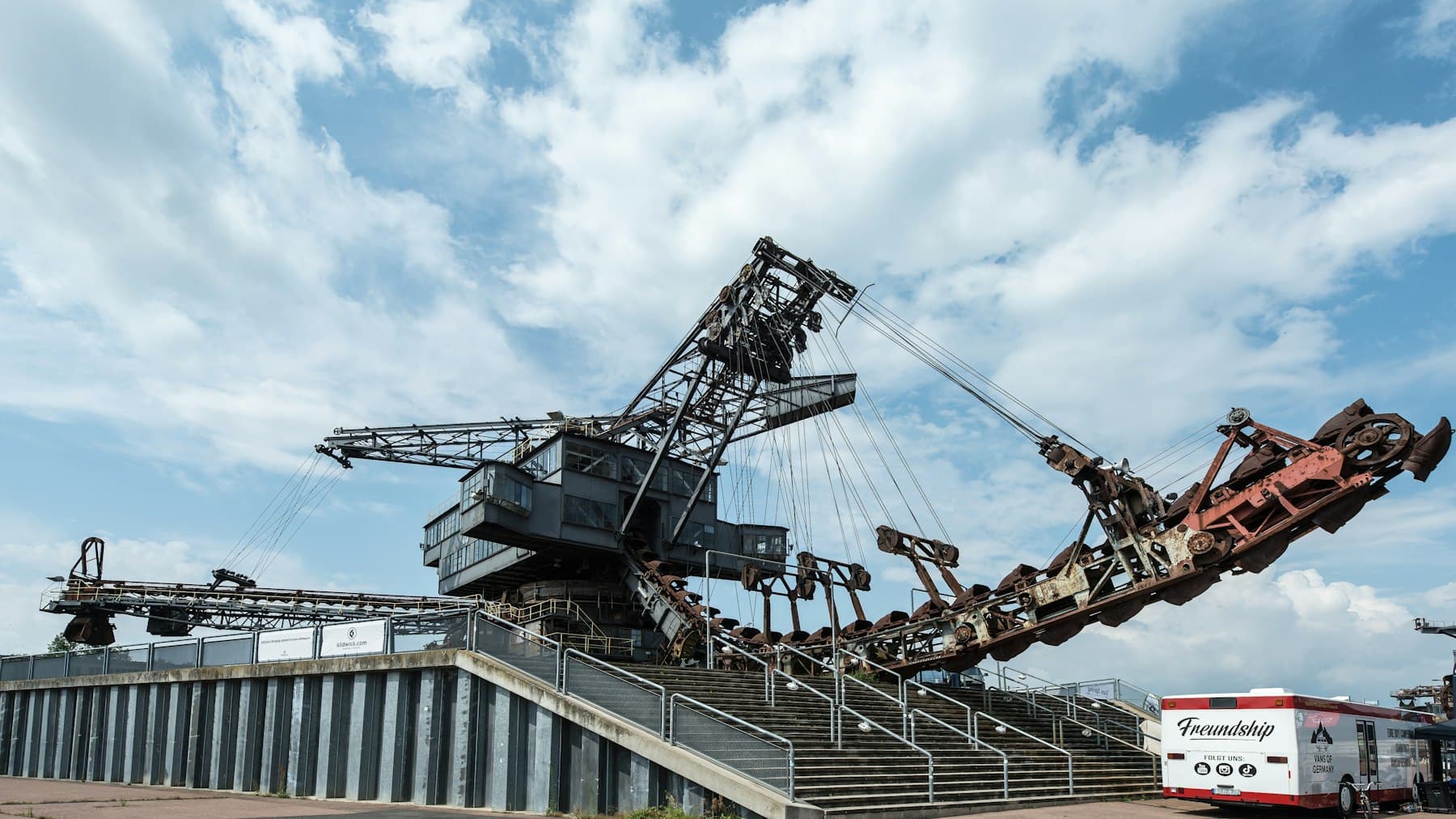
Large excavator operating at an open pit mining site

Mining & Metals

Fighter jets flying in formation

Defense & Aerospace

Communication tower against a dramatic cloudy sky

Telecommunications

Container ship being loaded by cranes at a busy shipping port

Maritime & Shipping

Grand hotel lobby with ornate columns

Retail & Hospitality

Large satellite dish with the Milky Way in the background

Space & Satellite

City skyline at night with glowing buildings and traffic

Smart Cities & Municipal Infrastructure

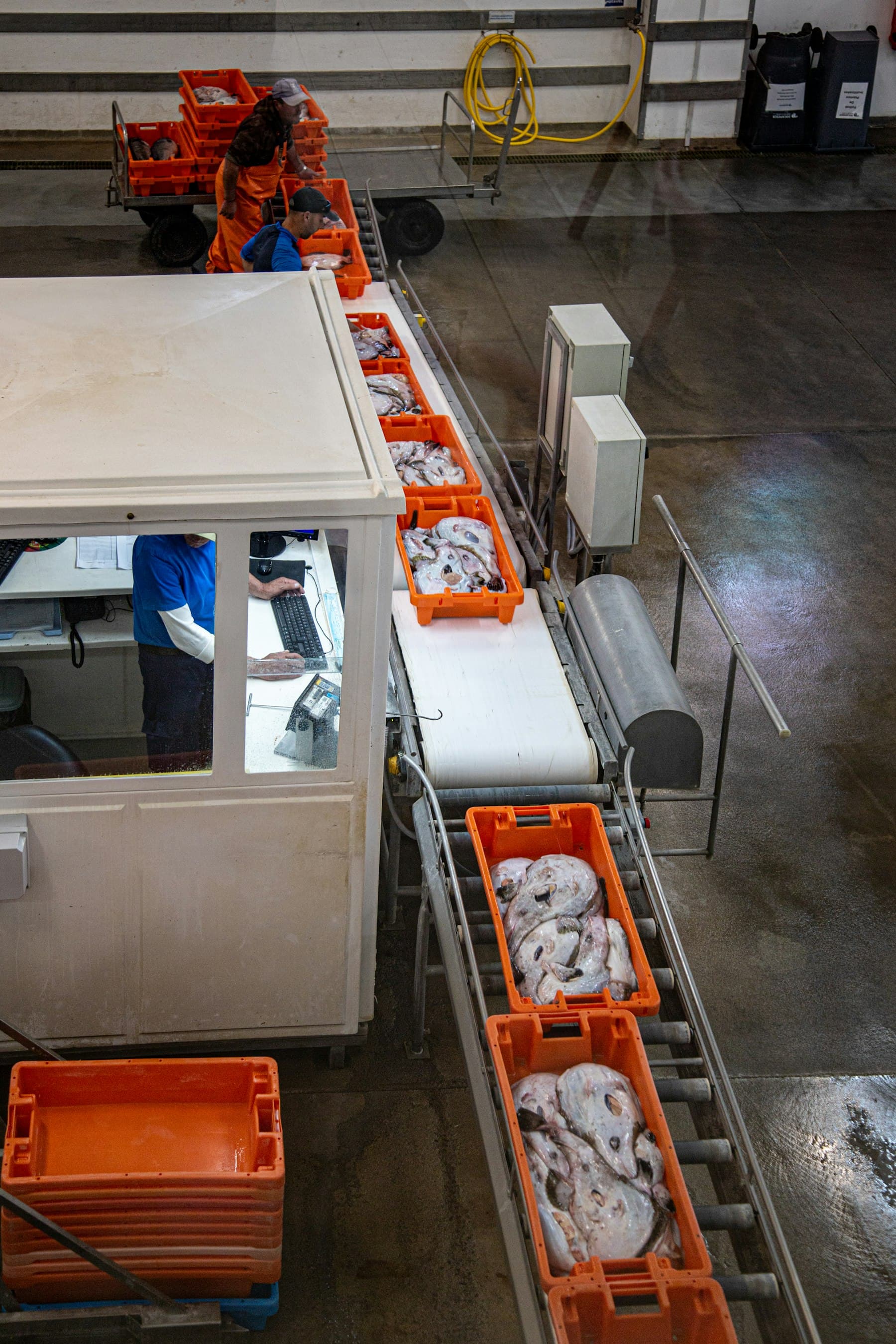
Workers processing food on a factory conveyor belt

Agriculture & Food Supply Chain

Multi level shopping mall atrium with escalators

Malls & Commercial Complexes

Robotic arms on a car assembly line

Automotive (Connected & Autonomous)