

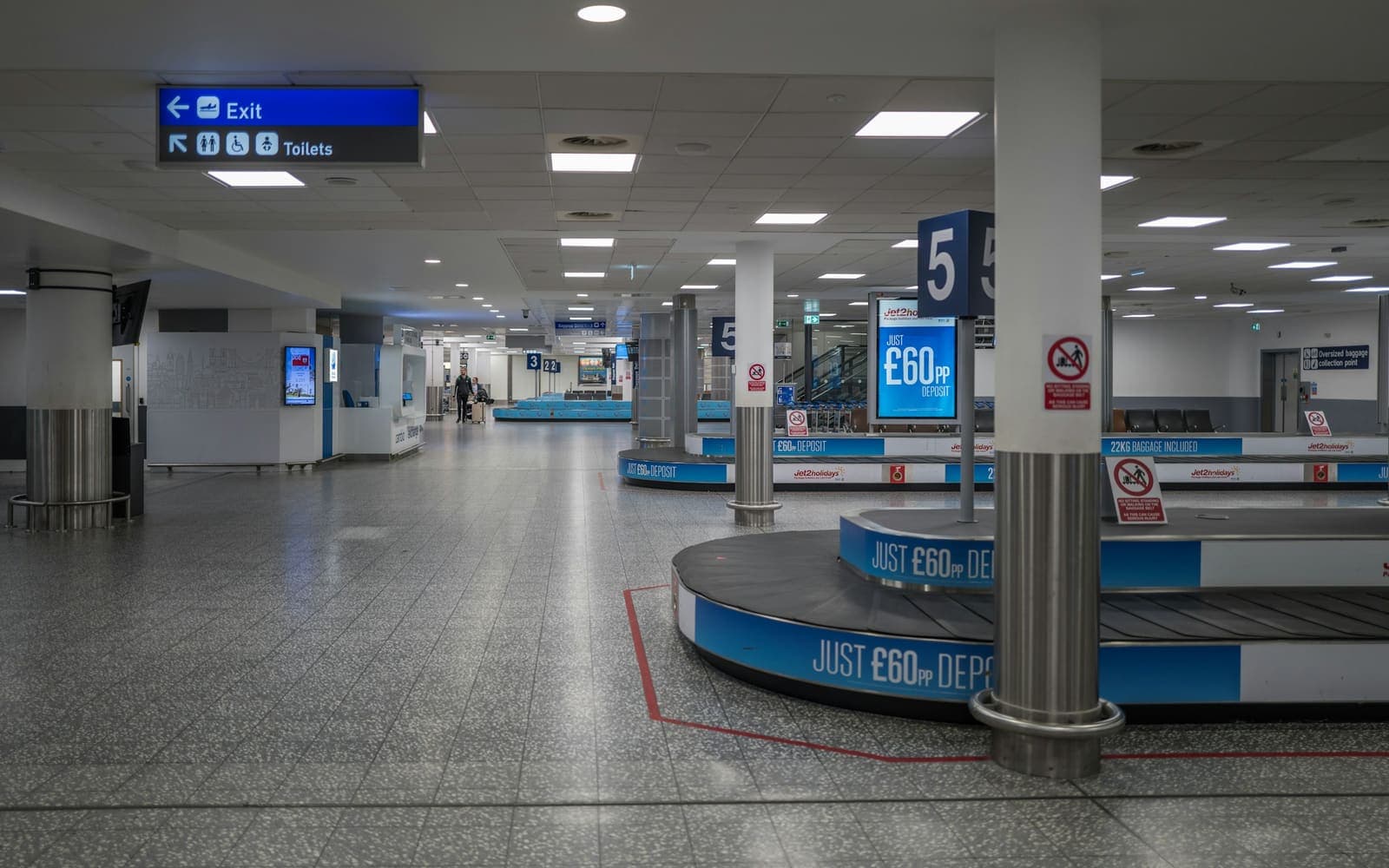
Baggage and Cargo Operations
Maintain intelligence across baggage handling, sort allocation, reconciliation, screening interfaces, cargo conveyors, and the systems supporting baggage and freight movement.
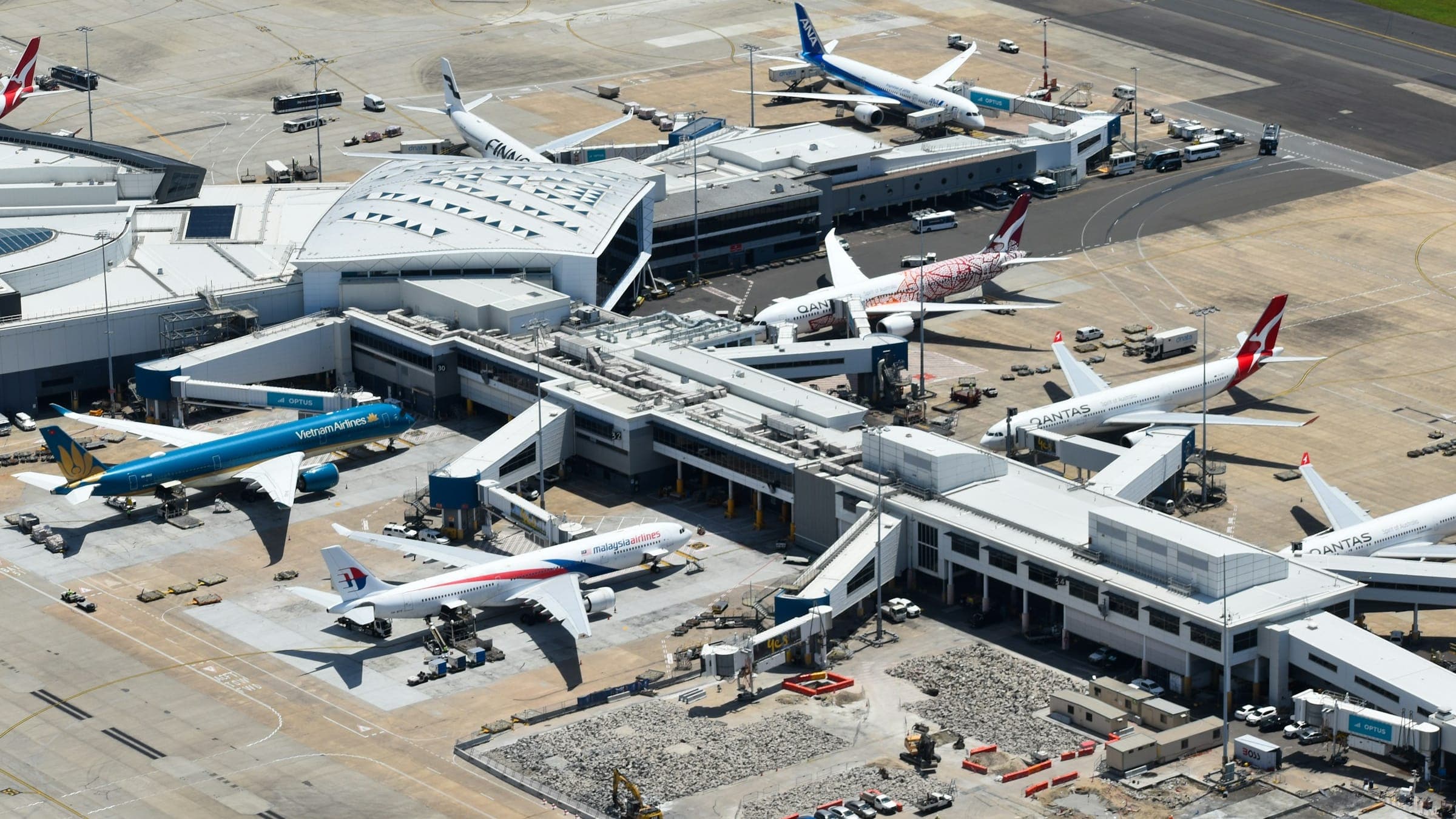
Airports operate as interconnected ecosystems of operational technology, IoT, building systems, security infrastructure, and digital services. Dawon provides a shared operational and risk context across these systems, helping airport operators maintain continuity, manage exposure, and coordinate response.
Airport operations depend on many specialized systems owned, operated, or maintained by different stakeholders. A disruption affecting one subsystem can quickly influence passenger movement, baggage processing, aircraft turnaround, facility operations, or airport security.
Airports combine baggage systems, airfield equipment, security infrastructure, passenger processing technology, facility controls, and supporting utilities across multiple terminals and operational zones.
Many airport systems have limited maintenance windows. Security monitoring, testing, and remediation must be planned around live operations and safety requirements.
Long lived equipment and specialized protocols often operate alongside modern IoT devices, wireless networks, enterprise applications, and externally hosted services.
Airlines, ground handlers, government agencies, OEMs, contractors, and airport departments may all require access to shared systems, creating complex ownership and accountability.




SHARED OPERATIONAL CONTEXT
AIRLINES · GROUND HANDLERS · GOVERNMENT AGENCIES · OEMS · CONTRACTORS · AIRPORT DEPARTMENTS
Each domain reaches the others through airport operations, across an interface that can be governed. It is not one flat network.
Dawon connects asset, communication, threat, access, risk, and compliance information across airport environments while preserving the operational context of each system.
Identify OT, IoT, building management, and supporting systems across terminals, airfield infrastructure, security zones, baggage facilities, and utility environments. Map how these systems communicate and which airport functions depend on them.
Deploy monitoring capabilities across terminals, remote facilities, operational zones, and constrained network segments without actively scanning or interfering with airport systems.
Detect abnormal communications, unauthorized devices, suspicious engineering activity, configuration changes, and deviations from approved operational behaviour.
Identify the systems most important to airport continuity and prioritize exposure according to potential effects on safety, security, passenger flow, aircraft turnaround, and financial operations.
Understand communication paths between IT, OT, airport stakeholders, and external services. Assess supplier access and verify that security boundaries protect critical airport functions.
Coordinate response across security, engineering, airport operations, facilities, and leadership teams. Maintain the evidence required for internal assurance, regulatory reporting, and post incident review.
ROADS · KERBSIDE
CHECK IN · SCREENING
SORTATION · PLANT ROOMS
STANDS · TURNAROUND
TAXIWAYS · RUNWAY
Maintain intelligence across baggage handling, sort allocation, reconciliation, screening interfaces, cargo conveyors, and the systems supporting baggage and freight movement.

Monitor aerodrome ground lighting, aircraft docking guidance, passenger boarding bridges, apron systems, and other infrastructure supporting aircraft movement and turnaround.
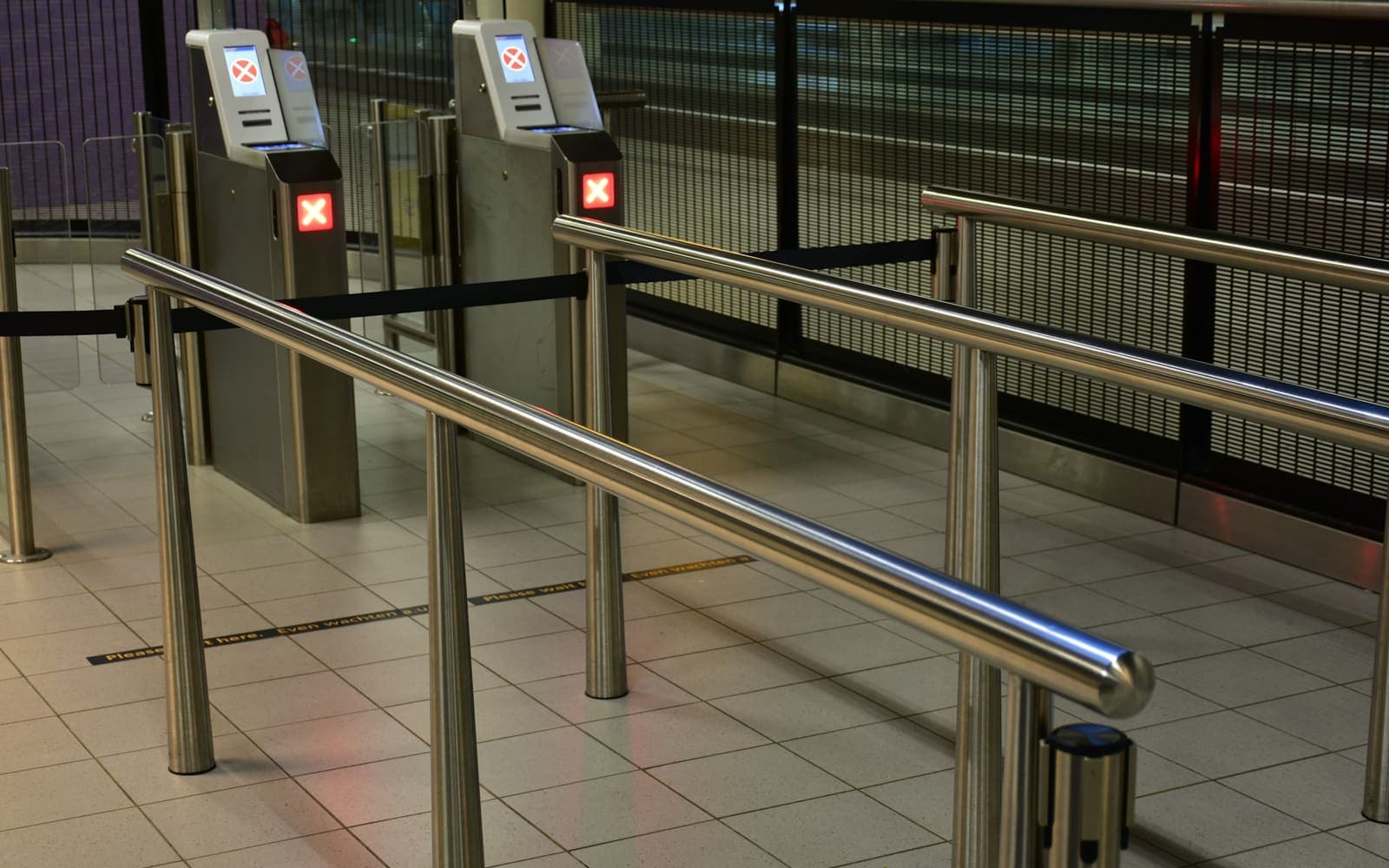
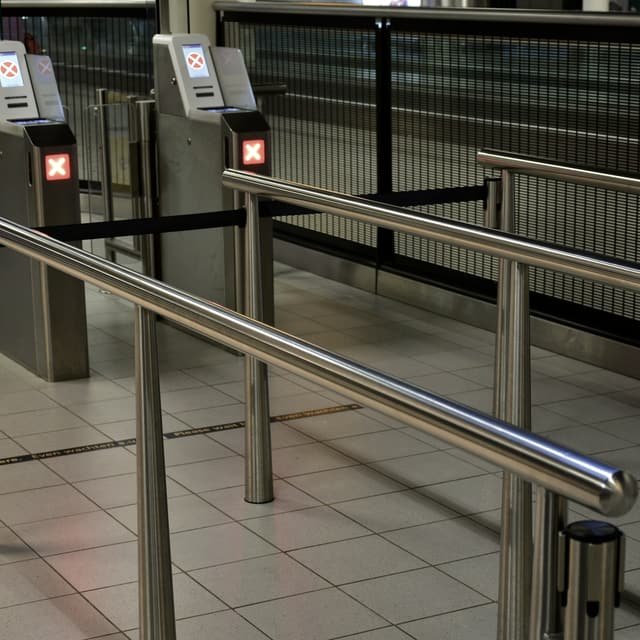
Protect physical access control, perimeter monitoring, surveillance, screening equipment, automated barriers, and communications across restricted airport zones.

Monitor building management, HVAC, fire detection, elevators, emergency exits, power distribution, water systems, and other infrastructure required for terminal continuity.
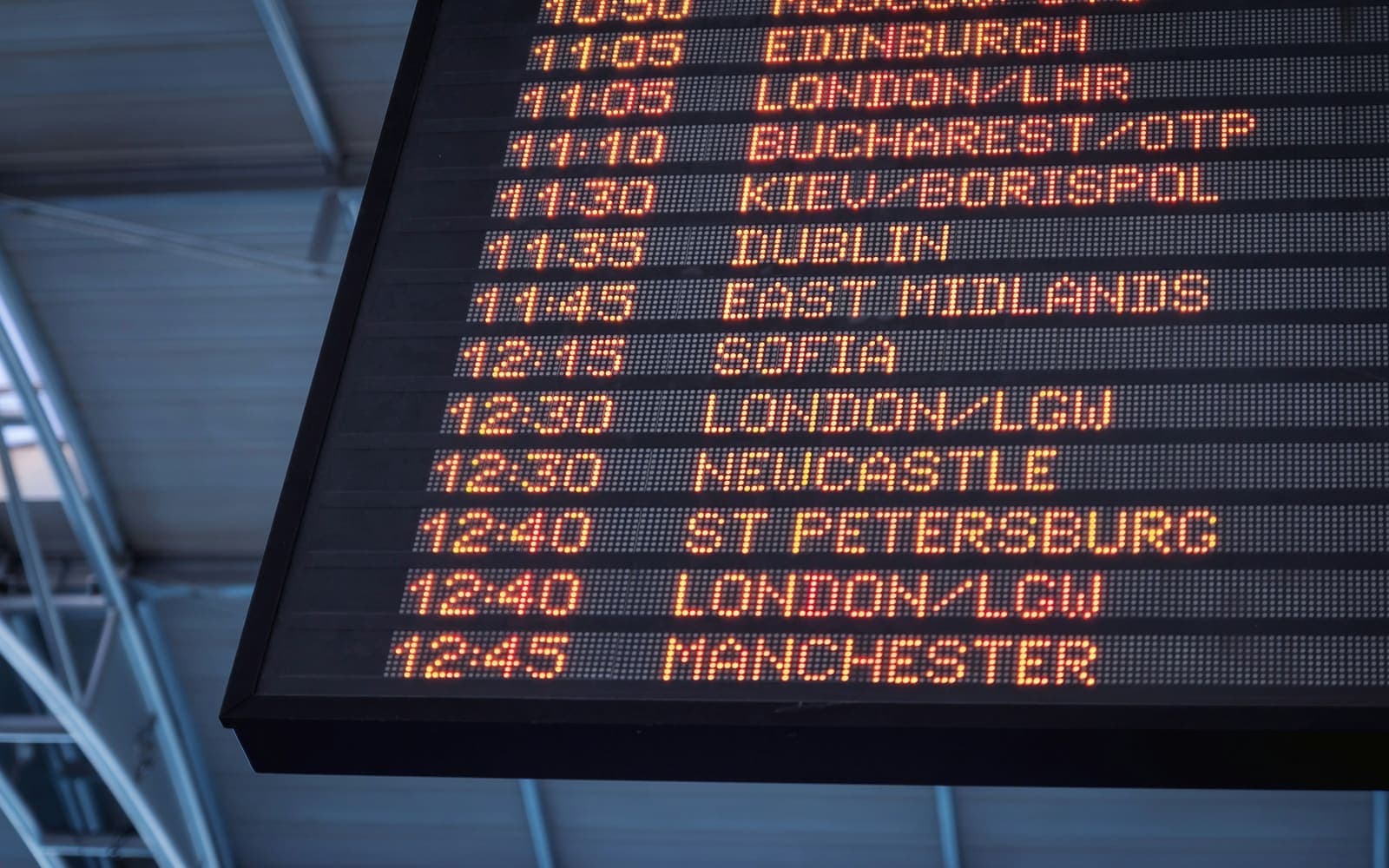
Understand dependencies between passenger processing systems, flight information displays, operational databases, public address systems, gate operations, and connected terminal services.
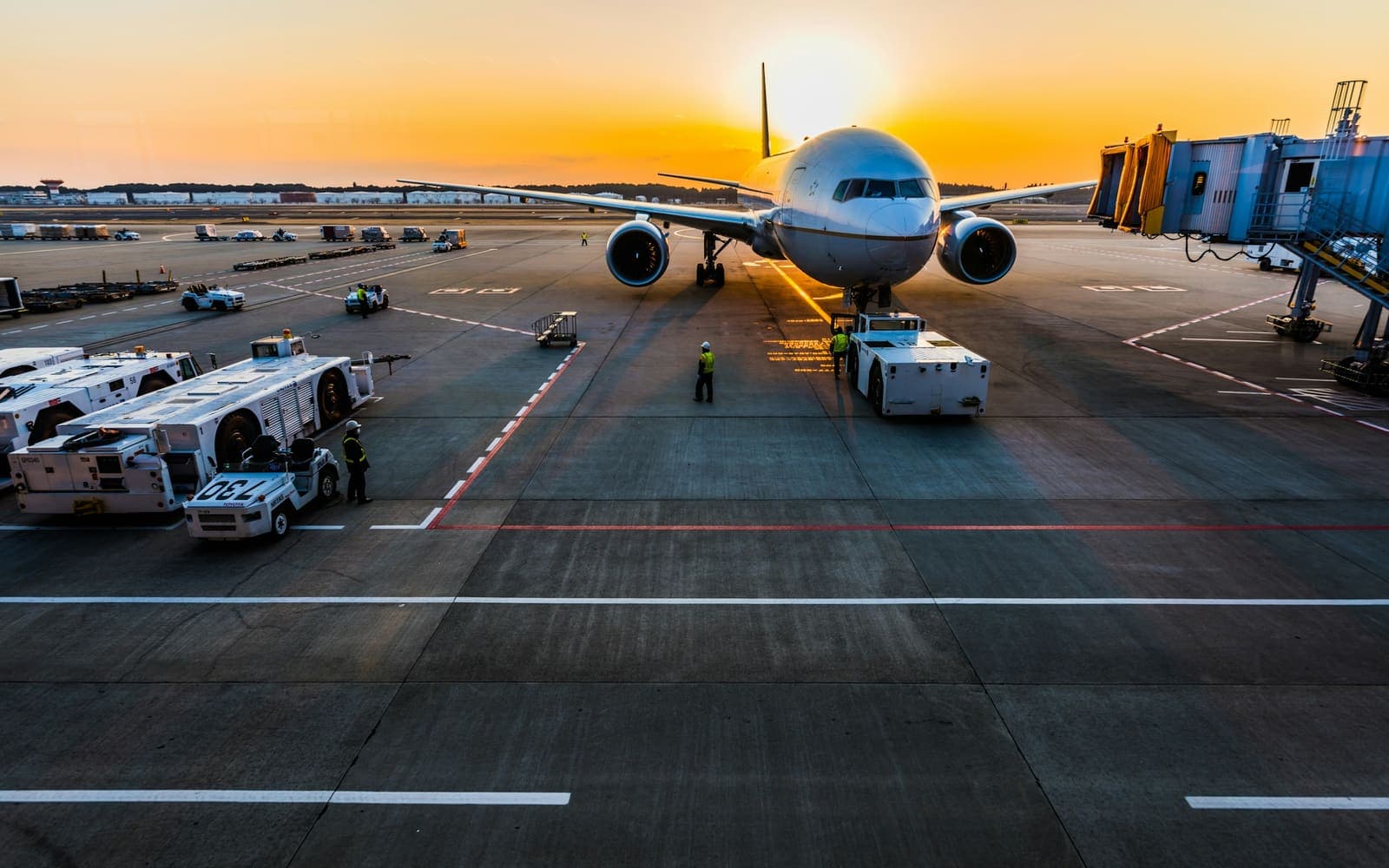
Maintain intelligence across fuel management systems, aircraft servicing infrastructure, ground support equipment, remote telemetry, and supporting utilities.
Create a consistent view of systems, communications, dependencies, and ownership across airport departments and operational zones.
Identify threats and unauthorized changes before they affect baggage movement, passenger processing, airport security, or aircraft turnaround.
Direct remediation toward findings with the greatest potential effect on safety, security, operations, passenger experience, and financial performance.
Understand which suppliers, contractors, airlines, and ground handlers can access each system and what operational functions their access could affect.
Provide security, engineering, facilities, operations, and leadership teams with a shared record of the incident and its operational context.
Maintain current evidence for applicable requirements and guidance, including ICAO cybersecurity guidance, TSA requirements, EASA Part IS, NIS2, ISA/IEC 62443, and relevant national aviation regulations.

Regulatory applicability depends on the airport's jurisdiction, operating model, and assigned responsibilities.
Explore how Dawon can support baggage operations, airfield infrastructure, airport security, terminal facilities, and third party access through a unified operational cybersecurity model.