


Cybersecurity Across Vessels, Ports, and Maritime Operations
Maritime operations depend on interconnected navigation, propulsion, cargo, communication, port, and logistics systems. Dawon provides operational intelligence, threat detection, compliance and risk management, incident readiness and response across shipboard and shore based environments, while accounting for vessel safety, operational continuity, and environmental protection.
- Vessel
- Link
- Fleet
- Port
- Logistics
Shipboard and Shore Systems Operate as One Connected Environment
Digitalization has connected vessels with fleet management platforms, ports, terminals, logistics providers, OEMs, and remote support services. These connections improve efficiency but also extend the security boundary across multiple organizations and operational environments.
A cyber incident can affect navigation, propulsion, cargo handling, passenger services, port operations, environmental systems, or the movement of goods through the wider supply chain.
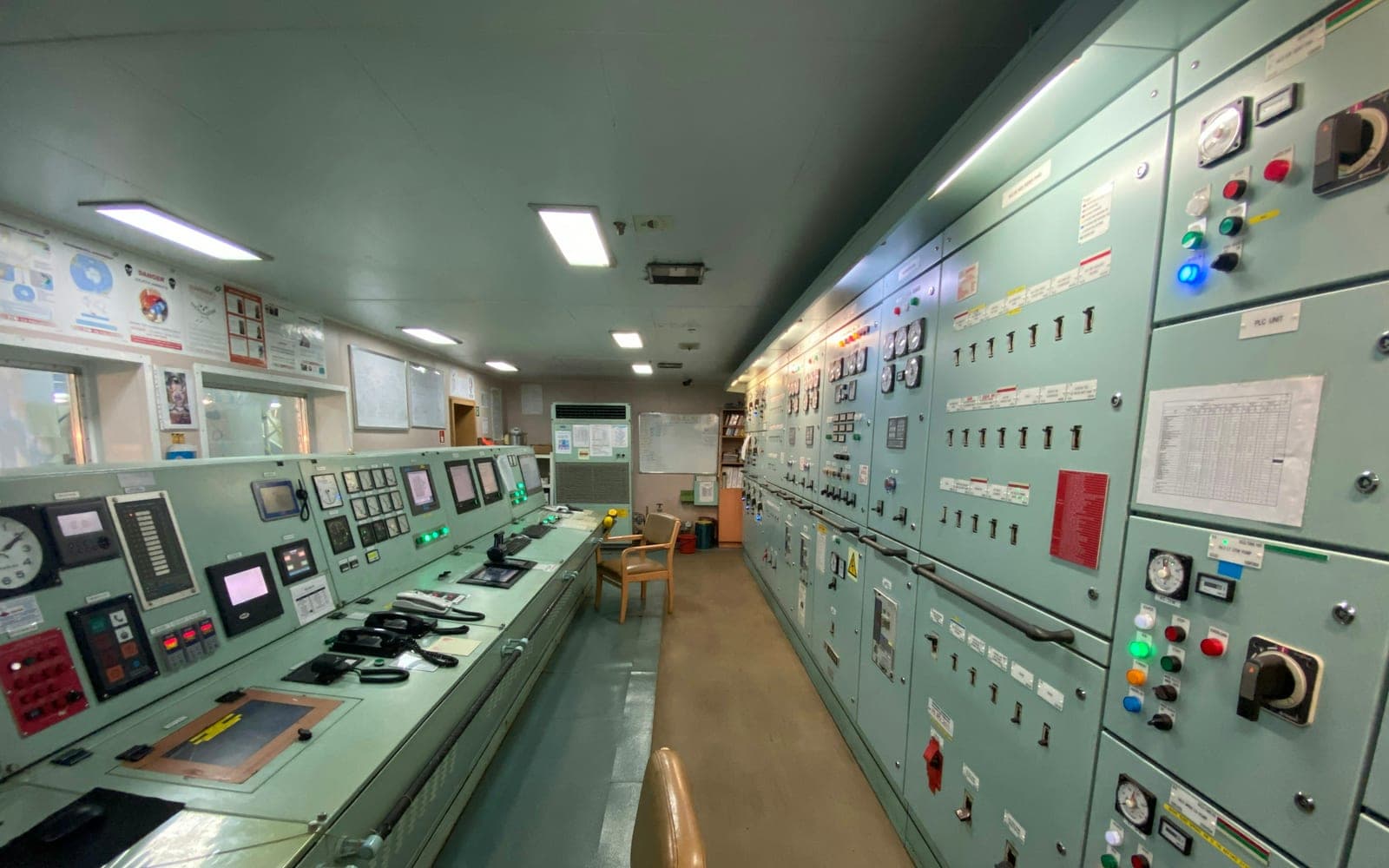
Safety Critical Shipboard Systems
Bridge, propulsion, steering, power management, machinery, ballast, and cargo systems perform functions with direct safety and environmental consequences.
Navigation and Communication Dependencies
Maritime operations rely on GNSS, ECDIS, AIS, radar, satellite communications, radio systems, and ship to shore data exchange. Interference, spoofing, compromised data, or loss of connectivity can affect situational awareness and operational decisions.
Long Vessel and Equipment Lifecycles
Ships may operate for decades and contain systems from multiple generations and manufacturers. Some equipment has limited update capabilities, proprietary interfaces, or strict class and OEM requirements for modification.
Intermittent and Restricted Connectivity
Vessels operate across changing communication environments with limited bandwidth, high latency, or periods of disconnection. Security monitoring and response processes must remain effective under these conditions.
Remote Maintenance and Third Party Access
OEMs, equipment suppliers, integrators, port operators, and service providers may connect to shipboard systems for diagnostics and maintenance. Uncontrolled access can create pathways to critical operational functions.
Complex Ship to Port Interfaces
Cargo documentation, terminal systems, port community platforms, vessel scheduling, customs, and logistics services exchange information across organizational boundaries. A compromise in one participant can affect multiple stakeholders.
Limited Technical Resources at Sea
Crews are responsible for safe vessel operation and may not have dedicated cybersecurity specialists onboard. Security processes must provide clear, practical guidance that can be executed under operational pressure.
Protecting the Connected Maritime Ecosystem
- OEMs
- Maintenance Providers
- Port Community Systems
- Cloud Services
- Regulatory Authorities
Vessel Systems
- Bridge & Navigation
- Propulsion & Machinery
- Power, Ballast & Cargo
- Intermittent
Satellite and Radio Communications
- Satellite Links
- Radio Systems
- Ship to Shore Data
Fleet Operations
- Fleet Management
- Remote Support
- Security Operations
Port and Terminal
- Terminal Operating Systems
- Cranes & Yard Equipment
- Gates, Access & Utilities
Logistics Network
- Freight Forwarders
- Customs Systems
- Cargo Owners
Security Intelligence Across Sea and Shore
Dawon connects technical findings with vessel functions, port operations, cargo movements, and maritime safety requirements. This allows risks to be evaluated according to their operational consequences.
Asset Intelligence
Develop contextual intelligence across navigation systems, propulsion controls, power management, cargo equipment, communication platforms, shipboard IT, cranes, terminal systems, industrial equipment, and supporting infrastructure.
Dependency Mapping
Map how bridge, machinery, cargo, communication, port, and fleet management systems interact. Identify dependencies that could affect vessel safety, cargo operations, terminal throughput, or maritime services.
Navigation and Bridge System Assurance
Monitor security relevant activity associated with ECDIS, AIS, GNSS, radar, voyage planning platforms, bridge networks, and communication systems. Identify unexpected connections, configuration changes, and activity inconsistent with approved operations.
Machinery and Cargo System Threat Detection
Detect abnormal communications and unauthorized changes affecting propulsion, steering, power, ballast, cargo management, refrigeration, pumping, and other shipboard operational systems.
Port and Terminal OT Security
Establish intelligence across cranes, yard equipment, gate systems, conveyor systems, fuel terminals, electrical infrastructure, access control, surveillance, and terminal operating systems.
Remote Access and Supplier Governance
Assess how OEMs, maintenance providers, ship managers, port partners, and contractors connect to maritime systems. Track access paths, system dependencies, supplier responsibilities, and supporting evidence.
Maritime Aware Exposure Management
Prioritize vulnerabilities according to system function, vessel operating condition, network exposure, available compensating controls, safety impact, and the operational feasibility of remediation.
Incident Readiness and Coordinated Response
Develop response procedures for compromised navigation systems, ransomware, unauthorized remote access, communication interference, machinery anomalies, cargo disruption, and port system incidents.
- Identify
- Validate
- Assess Maritime Consequence
- Coordinate Ship and Shore
- Recover Safely
- Ship
Vessel location, sailing condition, crew responsibilities, cargo type, passenger safety, environmental risk, and communication availability.
ShoreFleet operations, port authorities, terminal operators, and security teams.
Applications Across the Maritime Ecosystem
Vessels
Commercial fleets and passenger vessels
Offshore Operations
Platforms, support vessels, subsea systems
Port Authority
Vessel scheduling and port services
Cargo Terminal
Terminal systems and handling equipment
Shipyard
Design, construction, commissioning
Fleet Operations
Fleet management and remote support
Logistics Network
Forwarders, customs, cargo owners
Commercial Vessels and Shipping Fleets
Secure operational and information systems across container ships, tankers, bulk carriers, passenger vessels, ferries, and other commercial fleets.
Ports and Cargo Terminals
Protect terminal operating systems, cranes, automated handling equipment, gates, storage areas, port utilities, access control, surveillance, and communication infrastructure.
Offshore Operations
Establish security intelligence across offshore platforms, support vessels, floating production systems, subsea operations, dynamic positioning, and remote monitoring infrastructure.
Passenger and Cruise Operations
Protect navigation, propulsion, passenger management, access control, payment, hospitality, communications, and crew systems while maintaining clear separation between public and operational networks.
Shipyards and New Vessel Construction
Integrate cybersecurity requirements into vessel design, equipment selection, system integration, commissioning, acceptance testing, and handover.
Maritime Logistics and Port Community Systems
Assess dependencies between shipping lines, port authorities, terminal operators, freight forwarders, customs systems, cargo owners, and logistics providers.
Autonomous and Remotely Operated Vessels
Secure remote control centres, autonomous navigation functions, sensor systems, communication links, mission software, and ship to shore command environments.
Operational and Regulatory Outcomes
Unified security intelligence across vessels, ports, and shore operations
Improved protection of navigation, propulsion, cargo, and communication systems
Risk prioritization based on safety, environmental, and operational consequences
Earlier identification of abnormal shipboard and terminal activity
Stronger governance of OEM, contractor, and remote service access
Consistent security management across geographically distributed fleets
Better coordination between crew, fleet operations, port authorities, and security teams
Improved preparedness for incidents occurring at sea or during port operations
Traceable evidence for safety management, class, audit, and regulatory requirements
Greater resilience across maritime logistics and supply chain operations
Dawon streamlines alignment with applicable maritime and cybersecurity requirements, including:
- IMO MSC FAL.1/Circ.3/Rev.3Guidelines on Maritime Cyber Risk Management
- IMO Resolution MSC.428(98)Maritime Cyber Risk Management in Safety Management Systems
- IACS UR E26Cyber Resilience of Ships
- IACS UR E27Cyber Resilience of Onboard Systems and Equipment
- IACS Recommendation 166Cyber Resilience
- US Coast Guard Cybersecurity in the Marine Transportation System Final Rule
- Industry Guidelines on Cyber Security Onboard Ships
- ENISA cyber risk and cybersecurity guidance for ports
- NIST Cybersecurity Framework 2.0
- ISA/IEC 62443
- ISO/IEC 27001
- NIS2 and applicable national maritime requirements
Strengthen Cyber Resilience Across Maritime Operations
Discuss how Dawon can support security intelligence, operational risk management, and incident readiness across vessels, fleets, ports, terminals, and maritime logistics.