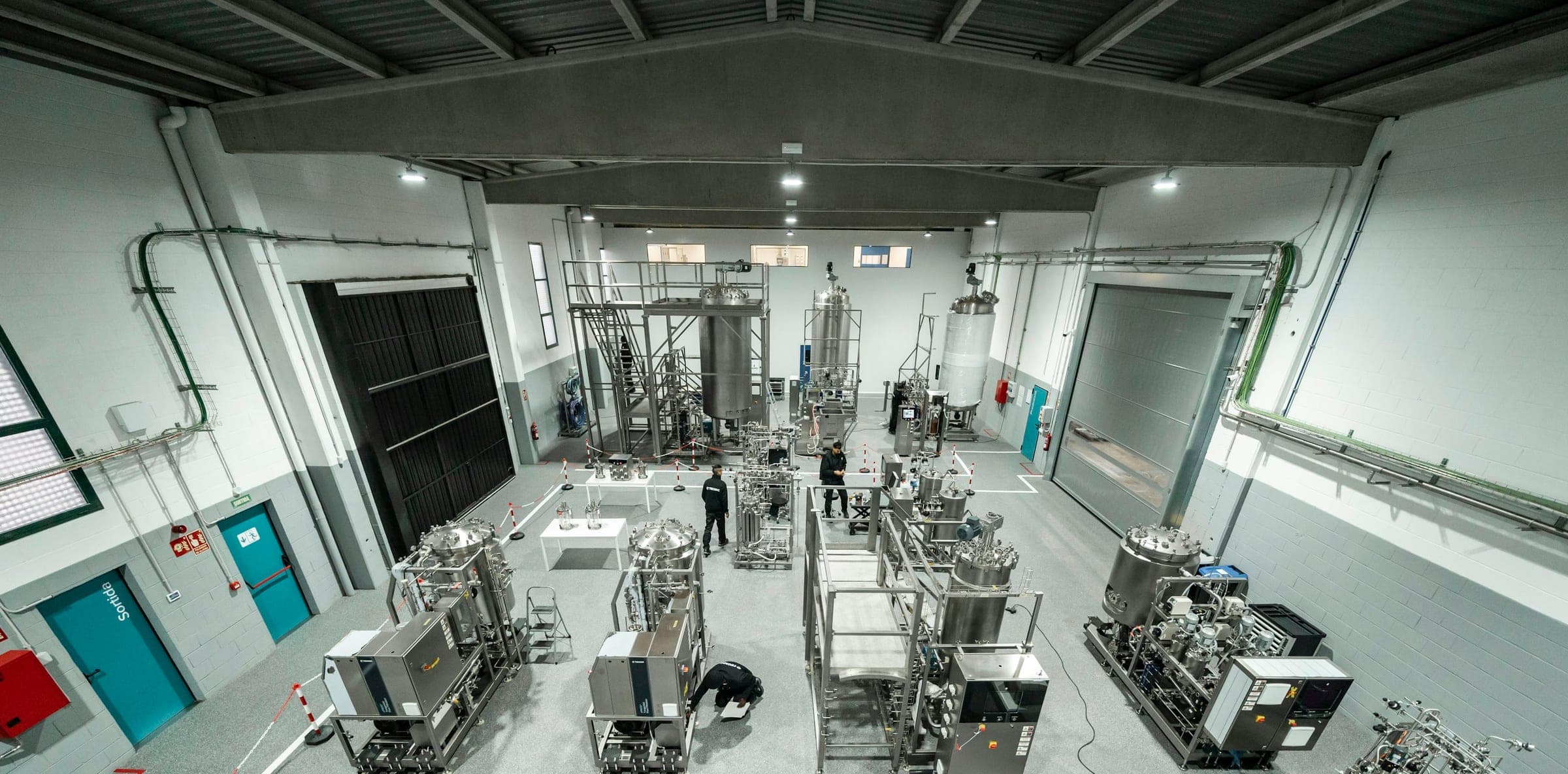
Protecting Research, Production, and Product Integrity
Pharmaceutical and biotechnology operations depend on interconnected laboratories, manufacturing systems, regulated data, facility infrastructure, and external partners. Dawon provides operational intelligence, threat detection, risk management, incident readiness and response across these environments while supporting product quality, data integrity, and continuity of supply.
- Research Laboratories
- Process Development
- Manufacturing
- Quality Control
- Packaging and Serialization
- Clean Utilities
- Cold Chain
Securing Regulated Pharmaceutical Operations
In pharmaceutical and biotechnology environments, a cyber incident can affect more than system availability. Unauthorized changes may compromise batch consistency, research data, quality records, environmental conditions, or the evidence required for product release.
Cybersecurity must be integrated with quality, validation, engineering, manufacturing, and laboratory processes.
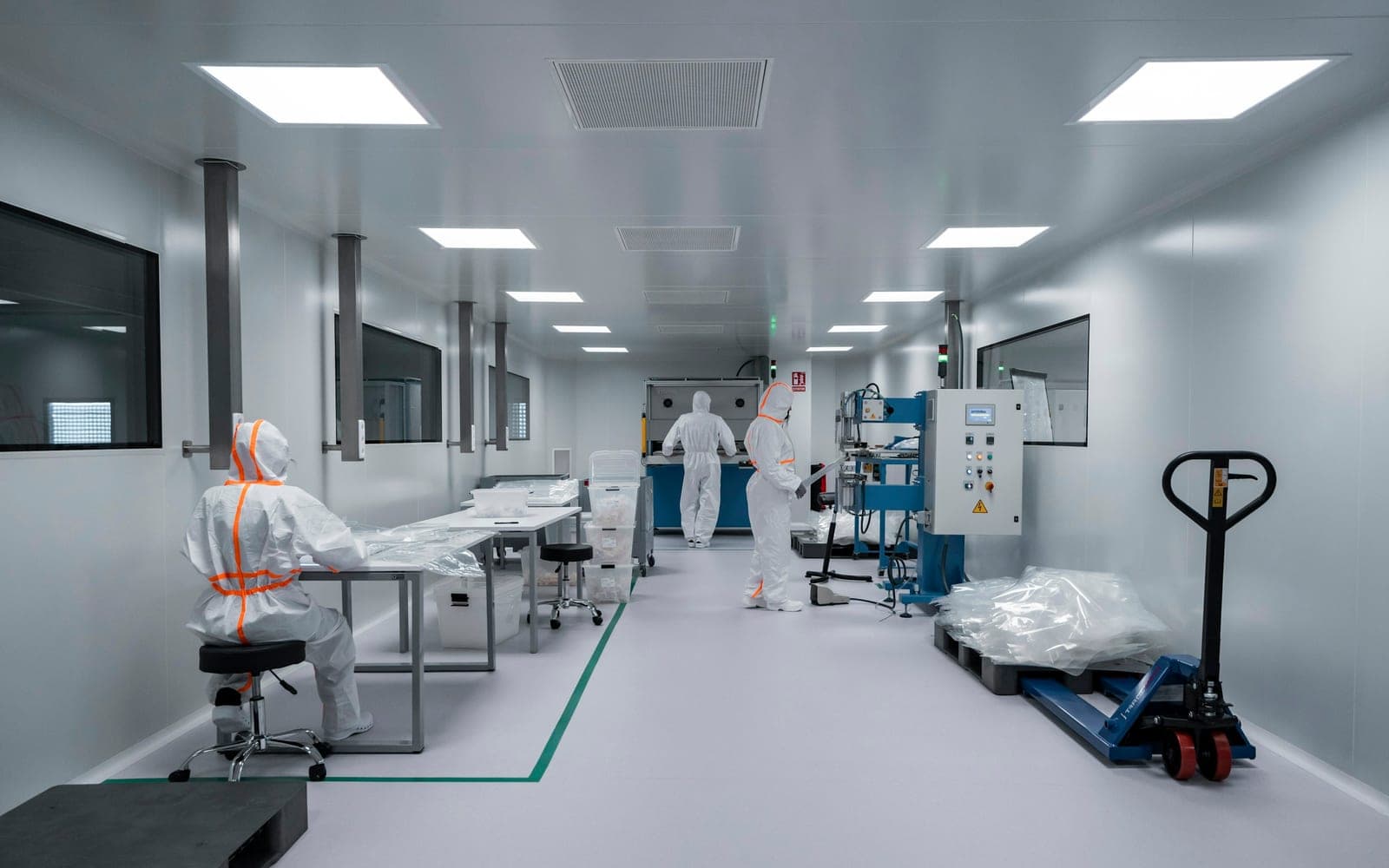
Validated Systems and Controlled Change
Systems supporting regulated processes are validated for their intended use. Security updates, configuration changes, segmentation, and response actions must follow established change control procedures to preserve their validated state.
Batch and Process Integrity
Changes to manufacturing parameters, recipes, equipment configurations, or process data can affect product quality without immediately stopping production. Security monitoring must account for both availability and process integrity.
Data Integrity
Electronic records, audit trails, laboratory results, production data, and electronic signatures support quality decisions and batch release. Unauthorized modification, deletion, or loss of this information can create regulatory and patient safety consequences.
Specialized and Long Lived Technology
Laboratory instruments, production equipment, and facility systems may use proprietary software or unsupported operating systems. They cannot be updated without OEM approval, requalification, or additional validation.
Intellectual Property and Research Data
Drug candidates, biological sequences, formulations, experimental results, manufacturing methods, and clinical research data are high value assets. Their compromise can affect years of research and competitive advantage.
Third Party Dependencies
Contract research organizations, contract manufacturing organizations, laboratory suppliers, equipment manufacturers, cloud providers, and logistics partners may handle critical processes or regulated data.
Controlled Environmental Conditions
Cleanrooms, cold storage, environmental monitoring, purified water, HVAC, and other facility systems maintain conditions required for product quality. Disruption or manipulation may result in lost batches, damaged samples, or unusable inventory.
Continuous Cyber Security Across the Pharmaceutical Lifecycle
- Laboratory Systems
- Facility Utilities
- Suppliers
- Contract Partners
- Regulatory Data
Research
LAB INSTRUMENTS · SAMPLE MANAGEMENT
THE REGULATED RECORD · STUDY DATA
Process Development
PILOT SYSTEMS · SCALE UP
THE REGULATED RECORD · TRANSFER PACKAGE
Manufacturing
PROCESS CONTROL · RECIPES · BATCH
THE REGULATED RECORD · BATCH RECORD
Quality Control
TESTING PLATFORMS · QUALITY SYSTEMS
THE REGULATED RECORD · TEST RESULTS
Packaging
FILLING · LABELLING · AGGREGATION
THE REGULATED RECORD · SERIALIZATION DATA
Cold Chain Distribution
COLD STORAGE · LOGISTICS PLATFORMS
THE REGULATED RECORD · TEMPERATURE DATA
OPERATIONAL INTELLIGENCE · THREAT DETECTION · RISK MANAGEMENT · INCIDENT READINESS AND RESPONSE
Every stage produces product and produces record. The assurance layer runs continuously beneath both, and the dependencies above reach every stage of each.
Security Intelligence for Regulated Operations
Dawon connects cybersecurity findings with regulated processes, product dependencies, quality requirements, and operational consequences.
Asset Intelligence
Develop contextual intelligence across laboratory technology, manufacturing systems, facility infrastructure, quality platforms, and supporting networks. Organize systems by site, department, process, product, validation status, supplier, software version, and relevance.
Process and Data Dependency Mapping
Map how laboratory, production, quality, environmental, and data management systems support regulated activities. Understand how the disruption or compromise of one system could affect a batch, study, product, or release decision.
Threat and Change Detection
Identify suspicious activity, unauthorized access, unexpected communications, and changes affecting regulated laboratory, production, and facility systems. Security events can be correlated with approved maintenance windows, change controls, and established operating procedures to distinguish authorized work from unexpected activity.
Validation Aware Exposure Management
Evaluate exposures according to their potential effect on product quality, data integrity, patient safety, intellectual property, and continuity of supply. Remediation planning accounts for validation requirements, OEM restrictions, production schedules, and available compensating controls.
Audit Trail and Configuration Assurance
Maintain security intelligence across system configurations, software versions, access activity, audit trails, and change histories. This helps identify changes that may affect the trustworthiness of regulated processes and electronic records.
Supplier and Remote Access Governance
Assess how equipment manufacturers, service providers, laboratories, contractors, and external partners connect to regulated environments. Track access paths, responsibilities, system dependencies, and supporting evidence.
Incident Readiness for Regulated Operations
Develop response procedures for ransomware, compromised laboratory systems, unauthorized process changes, data integrity events, facility disruption, and supplier incidents. Response actions account for batch status, validated configurations, evidence preservation, quality investigations, product impact assessment, and regulatory reporting responsibilities.
Unified Security Across Pharmaceutical Operations
Clean Utilities
PURIFIED WATER · CLEAN STEAM · HVAC · REFRIGERATION
PW / WFI · CLEAN STEAM · HVAC
- GRADE C
Process Development
PILOT SUITES · SCALE UP SKIDS
- GRADE C
Manufacturing
BIOREACTORS · BLENDING · GRANULATION · COATING
GRADE A / B · ASEPTIC CORE
- GRADE C
Packaging
FILLING · INSPECTION · LABELLING · AGGREGATION
R&D Laboratory
INSTRUMENTS · AUTOMATION · SEQUENCING · SAMPLES
Quality Control
TESTING PLATFORMS · RECORDS · AUDIT TRAILS
Cold Storage
TEMPERATURE MONITORING · WAREHOUSE AUTOMATION
- Airlock, where personnel or material cross a classification boundary
- Pressure cascade, running outward from the cleanest zone
Research and Automated Laboratories
Protect laboratory instruments, automation platforms, sample management systems, sequencing environments, scientific data repositories, and supporting research infrastructure.
Process Development and Technology Transfer
Maintain security and configuration integrity as laboratory processes are transferred into pilot, scale up, and commercial manufacturing environments.
Pharmaceutical Manufacturing
Secure systems supporting active pharmaceutical ingredients, formulation, blending, granulation, tableting, coating, and other regulated production processes.
Biologics and Advanced Therapies
Establish security intelligence across bioreactors, purification systems, cell processing environments, analytical platforms, and temperature controlled storage supporting biologics, vaccines, and advanced therapies.
Quality Control and Batch Release
Protect laboratory data, quality systems, electronic batch records, audit trails, testing platforms, and other information used to evaluate and release products.
Packaging and Serialization
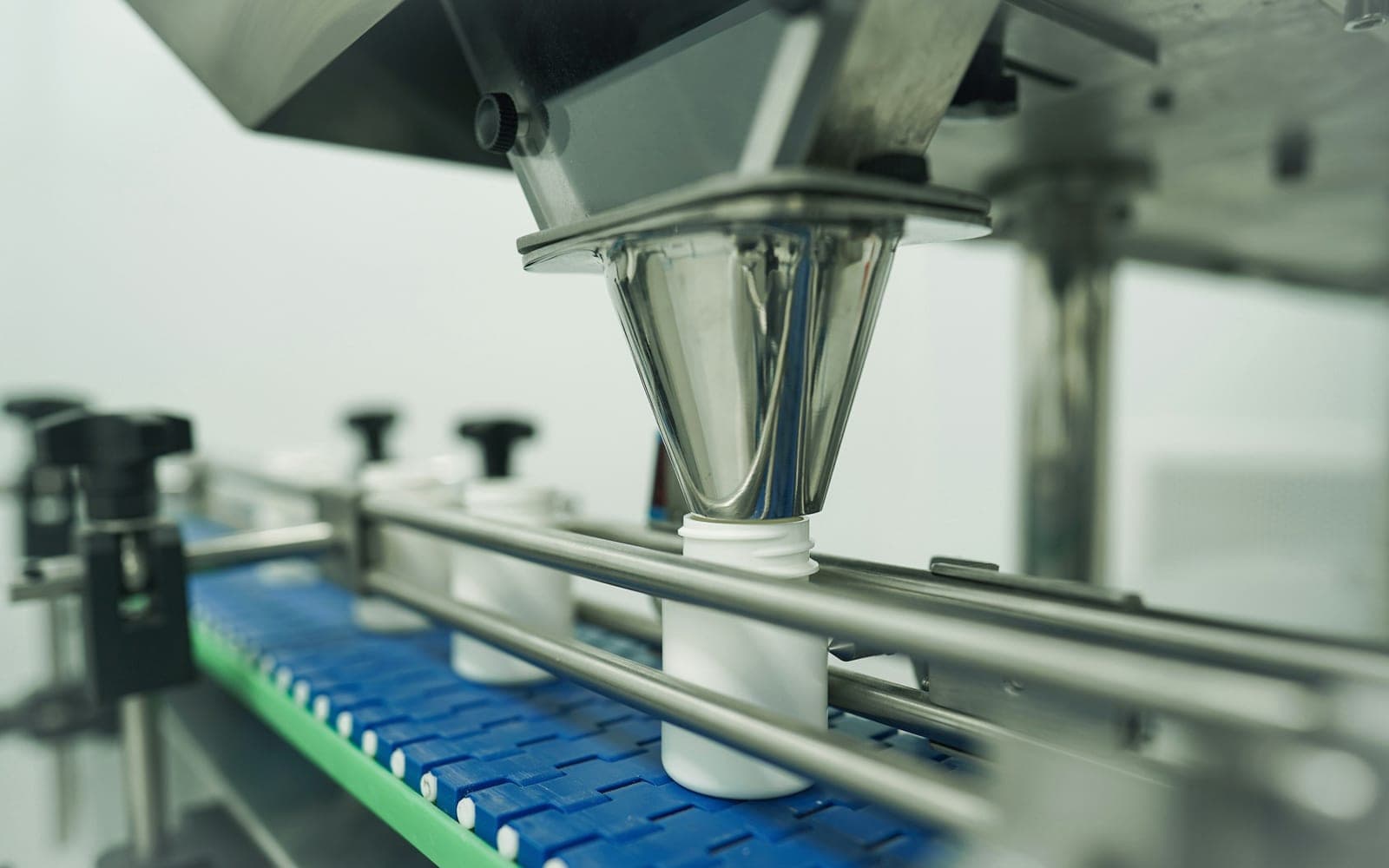
Secure filling, inspection, labelling, packaging, aggregation, and serialization environments while protecting the integrity of product identification and traceability data.
Cleanrooms and Critical Utilities
Monitor the systems maintaining environmental conditions, purified water, clean steam, HVAC, refrigeration, power, and other services required for controlled manufacturing.
Cold Chain and Distribution
Protect temperature monitoring, warehouse automation, cold storage, logistics platforms, and distribution systems responsible for maintaining product conditions through delivery.
Outcomes Across Quality, Continuity, and Governance
Improved continuity of research, production, and product supply
Contextual intelligence across laboratory, manufacturing, and facility systems
Risk prioritization based on product quality and process consequences
Earlier identification of unauthorized access and system changes
Stronger protection of formulations, research data, and manufacturing knowledge
Improved governance of suppliers, OEMs, and contract partners
Better coordination between cybersecurity, quality, validation, engineering, and operations
Faster product impact assessment during security incidents
Traceable evidence for investigations, audits, and regulatory inspections
Consistent security governance across global and acquired facilities
Dawon delivers structured evidence management aligned with applicable requirements, standards, and industry guidance, including:
- FDA 21 CFR Part 11electronic records and electronic signatures
- FDA 21 CFR Parts 210 and 211current Good Manufacturing Practice for drugs
- FDA Data Integrity and Compliance with Drug CGMP guidance
- EU GMP Annex 11computerized systems
- EU GMP Chapter 4documentation
- MHRA Data Integrity Guidance
- ISPE GAMP guidance
- NIST Cybersecurity Framework 2.0
- NIST SP 800 82 Rev. 3
- ISA/IEC 62443
- ISO/IEC 27001
- NIS2 and applicable national pharmaceutical regulations
Strengthen Cyber Security Across the Product Lifecycle
Protect pharmaceutical and biotechnology operations through a unified security approach designed around product integrity, regulated processes, and continuity of supply.