Production Lines and Industrial Automation
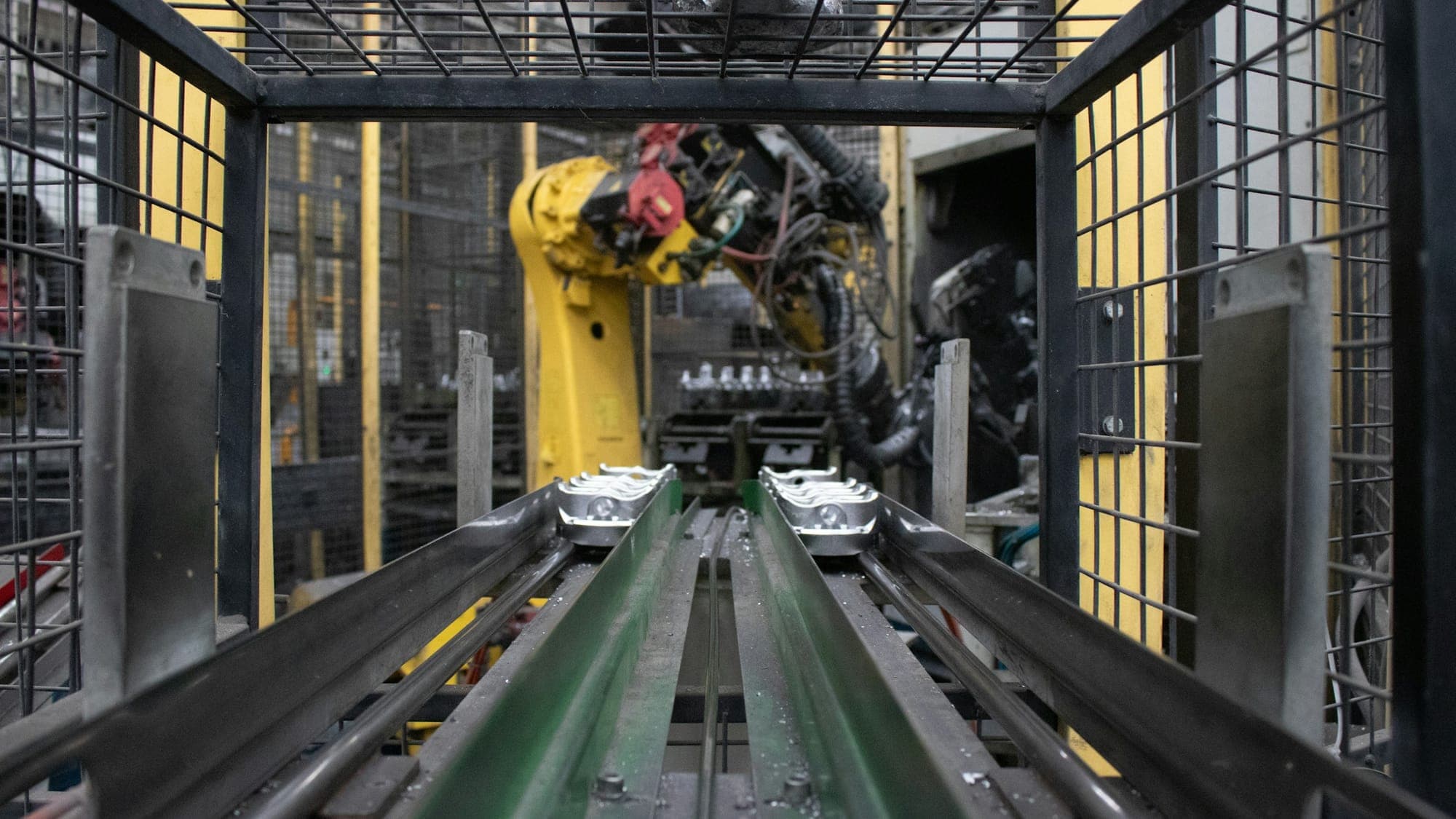
Protect controllers, operator stations, sensors, actuators, drives, safety systems, and production networks responsible for automated manufacturing processes.
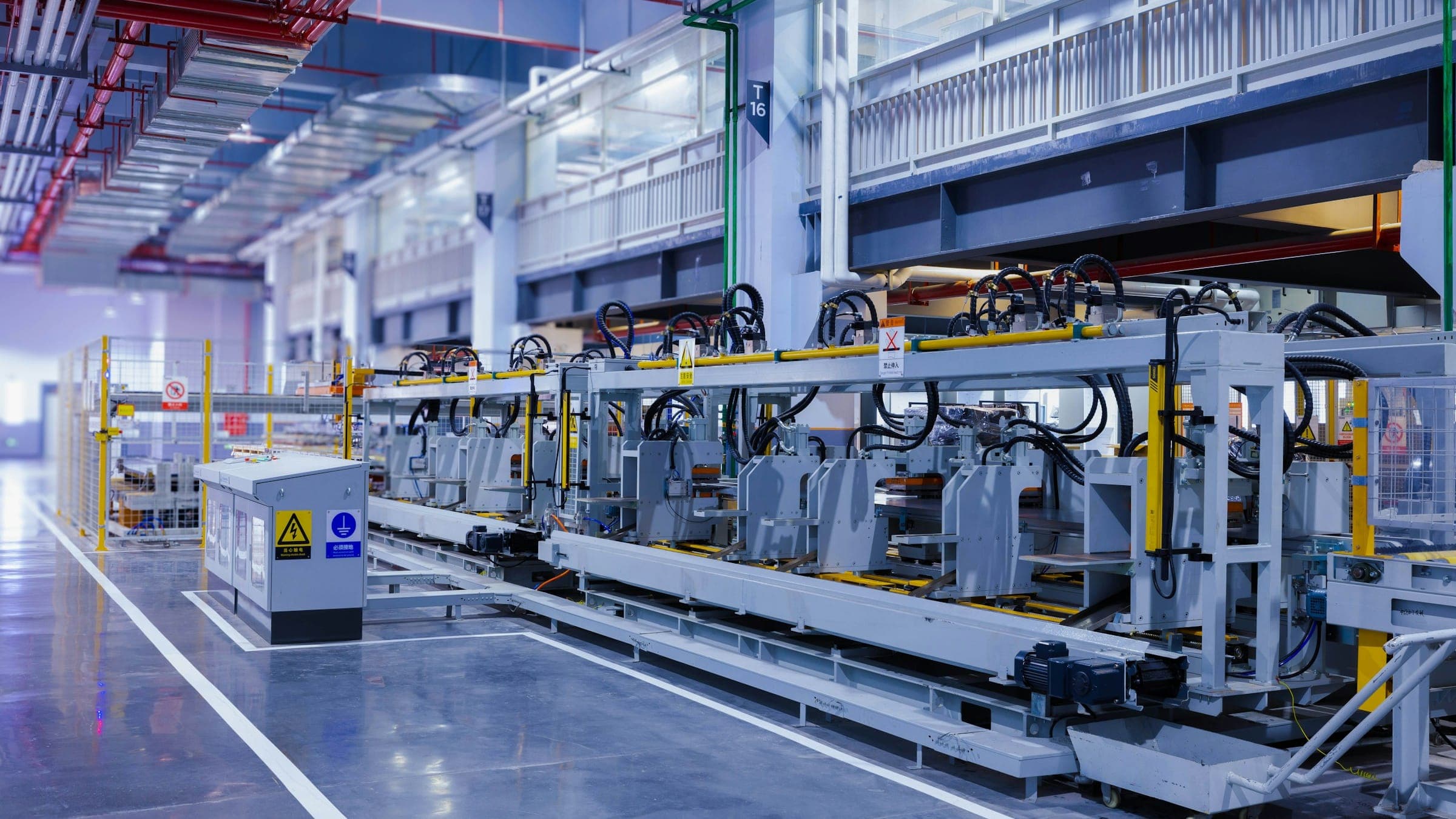
Modern manufacturing depends on interconnected production equipment, control systems, engineering platforms, industrial software, and external suppliers. Dawon provides operational intelligence, threat detection, compliance and risk management, incident readiness and response across the manufacturing environment, without interfering with production performance or safety.
A manufacturing incident may do more than make systems unavailable. It can alter machine settings, disrupt production sequences, affect product quality, damage equipment, compromise worker safety, or expose intellectual property.
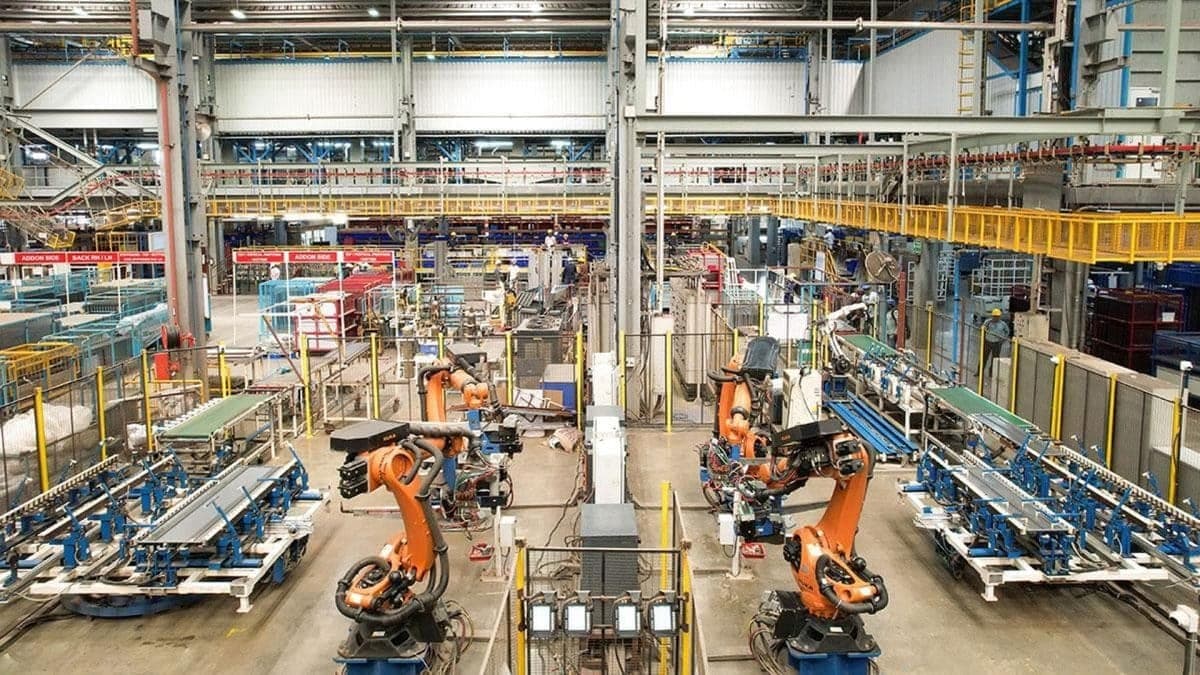
Security decisions must therefore account for how technology supports production, not only the technical severity of a vulnerability.
Many manufacturing facilities operate continuously or against tightly planned production schedules. Security assessments, updates, and containment actions must avoid creating unplanned downtime.
Production environments often contain legacy controllers, proprietary equipment, customized software, and unsupported operating systems. These assets may have limited security functionality and restricted modification options.
Production systems increasingly exchange information with manufacturing execution systems, enterprise resource planning, cloud analytics, quality platforms, and supply chain applications. These connections improve efficiency but can also introduce pathways into critical production networks.
Equipment suppliers, system integrators, maintenance providers, and engineering contractors frequently require remote or on site access. Inadequately governed access can expose production systems to credential misuse, unauthorized changes, and third party compromise.
Changes to controller logic, machine parameters, recipes, tolerances, inspection systems, or calibration data may produce defective products without immediately stopping production.
Manufacturers may operate plants with different equipment, OEMs, network architectures, and security practices. This makes consistent governance and risk prioritization difficult across the enterprise.
Production depends on raw material suppliers, specialized components, software providers, logistics partners, and outsourced services. Disruption affecting one organization or technology provider can propagate across the wider manufacturing network.
CONTROLLER LOGIC · RECIPES · CAD
PLC · HMI · DCS · DRIVES · SENSORS
INSPECTION · CALIBRATION
PACKAGING LINES · CONVEYORS
WAREHOUSE CONTROL · ROBOTIC HANDLING
LOGISTICS · TRACEABILITY
Asset Intelligence · Threat Detection · Risk Management · Incident Readiness and Response
Every stage of the process depends on organizations and systems outside it, and the security layer runs continuously beneath all six.
Dawon connects technical findings with production processes, equipment dependencies, and operational consequences. This enables manufacturers to prioritize the risks most likely to affect output, safety, quality, and delivery commitments.
Develop contextual intelligence across PLCs, HMIs, SCADA systems, industrial computers, robotics, CNC machines, sensors, drives, safety systems, IIoT devices, engineering workstations, and production applications. Organize assets by production line, process function, OEM, software version, communication relationships, and operational criticality.
Map how controllers, machines, production applications, utilities, quality systems, and external services support each manufacturing process. Identify dependencies that could create production bottlenecks or wider operational disruption.
Detect abnormal communications, unauthorized devices, unexpected remote connections, controller logic changes, configuration modifications, and activity that deviates from established production behaviour.
Evaluate vulnerabilities against exploitability, network exposure, equipment function, available compensating controls, production criticality, and the potential consequences of disruption. This allows remediation to be prioritized according to operational impact rather than vulnerability severity alone.
Assess how equipment suppliers, integrators, and maintenance providers connect to production environments. Track access paths, system dependencies, supplier responsibilities, and associated security evidence.
Develop response procedures for ransomware, compromised engineering systems, unauthorized controller changes, suspicious remote access, production anomalies, and supply chain events.
Establish consistent security intelligence across individual production lines, facilities, regions, and the wider manufacturing enterprise. Compare control coverage, residual risk, and remediation progress across sites.
CONTROLLERS · DRIVES · SAFETY SYSTEMS
ROBOT CELLS · CNC · MACHINE VISION
INSPECTION · TEST · CALIBRATION
PACKAGING LINES · CONVEYORS
WAREHOUSE CONTROL · SORTING · AMR
WORKSTATIONS · CAD · RECIPES · PROGRAMS
POWER · AIR · HVAC · ACCESS · FIRE
One intelligence layer running the length of the plant, with every operating area on either side of it reporting into it.
Protect controllers, operator stations, sensors, actuators, drives, safety systems, and production networks responsible for automated manufacturing processes.
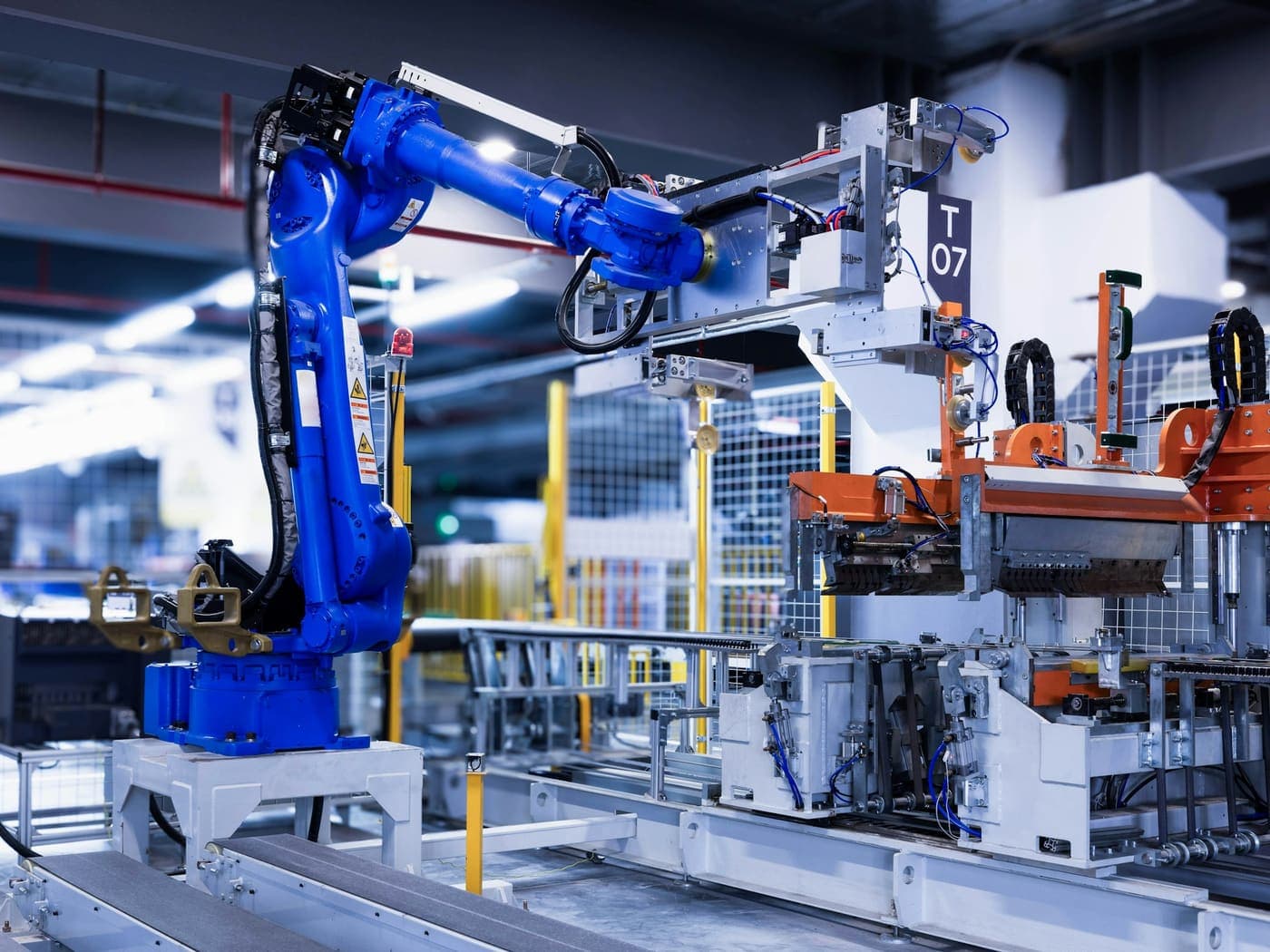
Establish security intelligence across industrial robots, CNC machines, motion control systems, autonomous mobile robots, machine vision platforms, and their engineering interfaces.
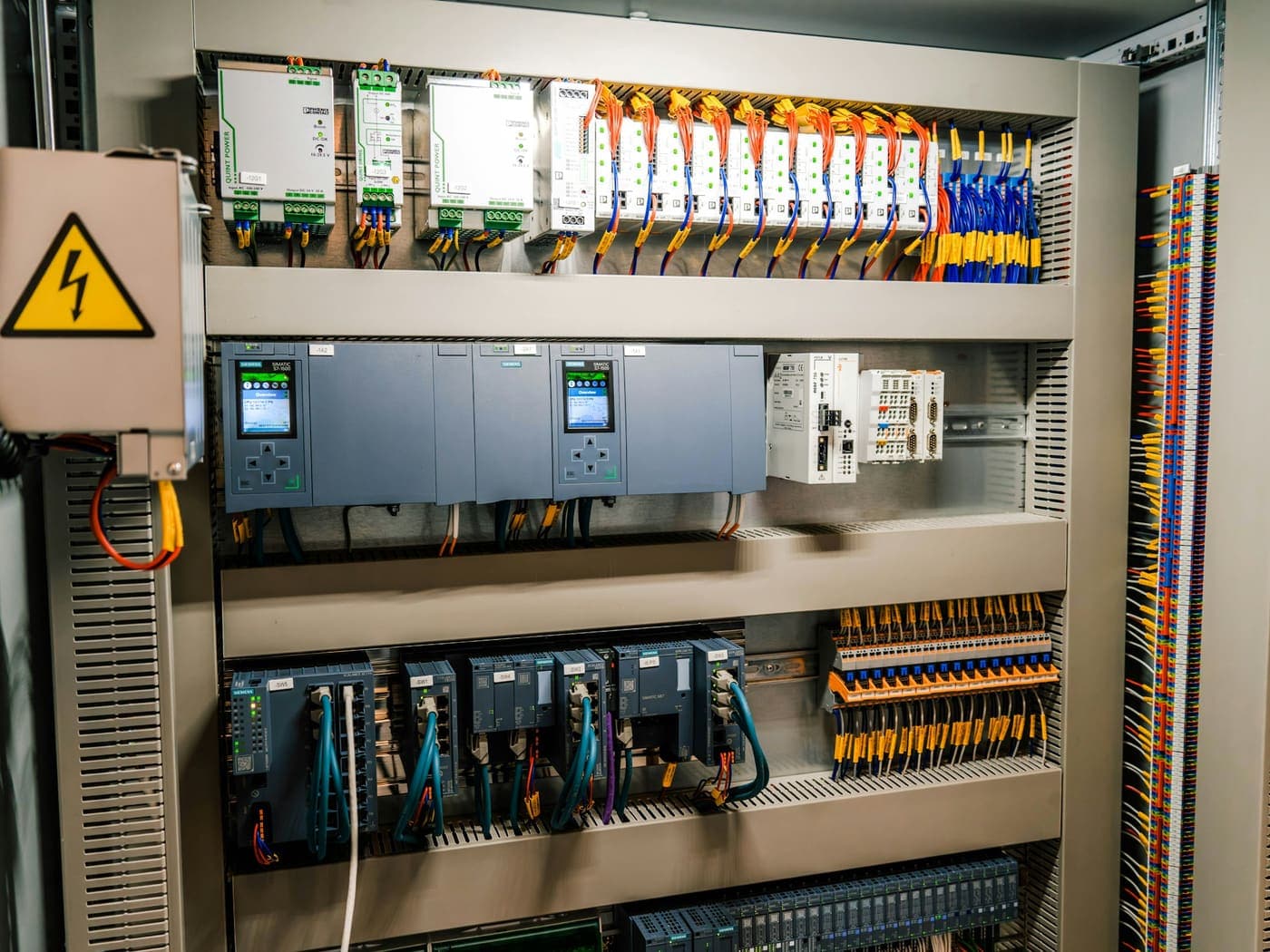
Monitor dependencies between SCADA, DCS, historians, manufacturing execution systems, batch platforms, production databases, and enterprise applications.
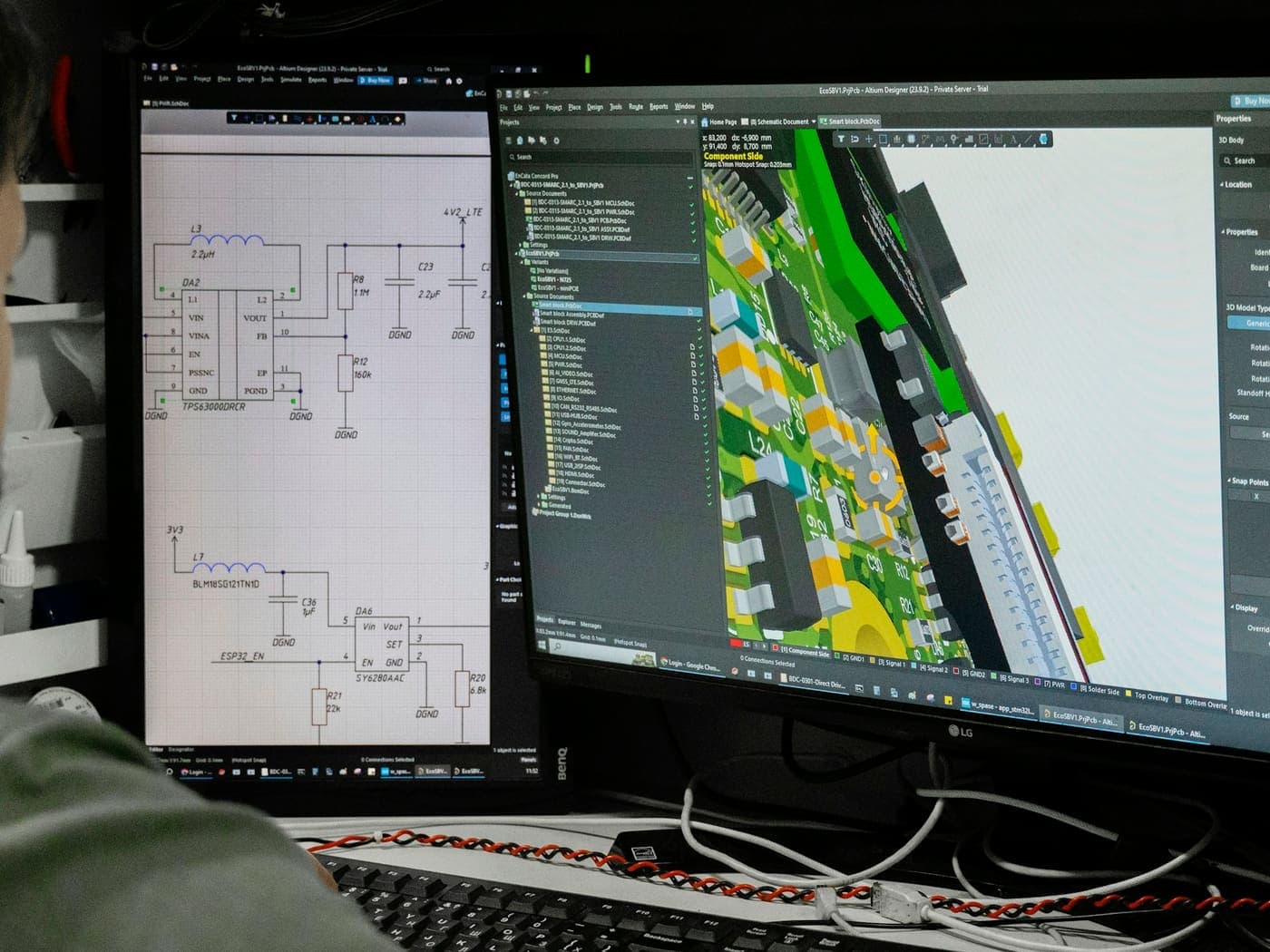
Protect engineering workstations, controller programs, machine configurations, production recipes, computer aided design files, digital twins, and other intellectual property supporting product development and manufacturing.
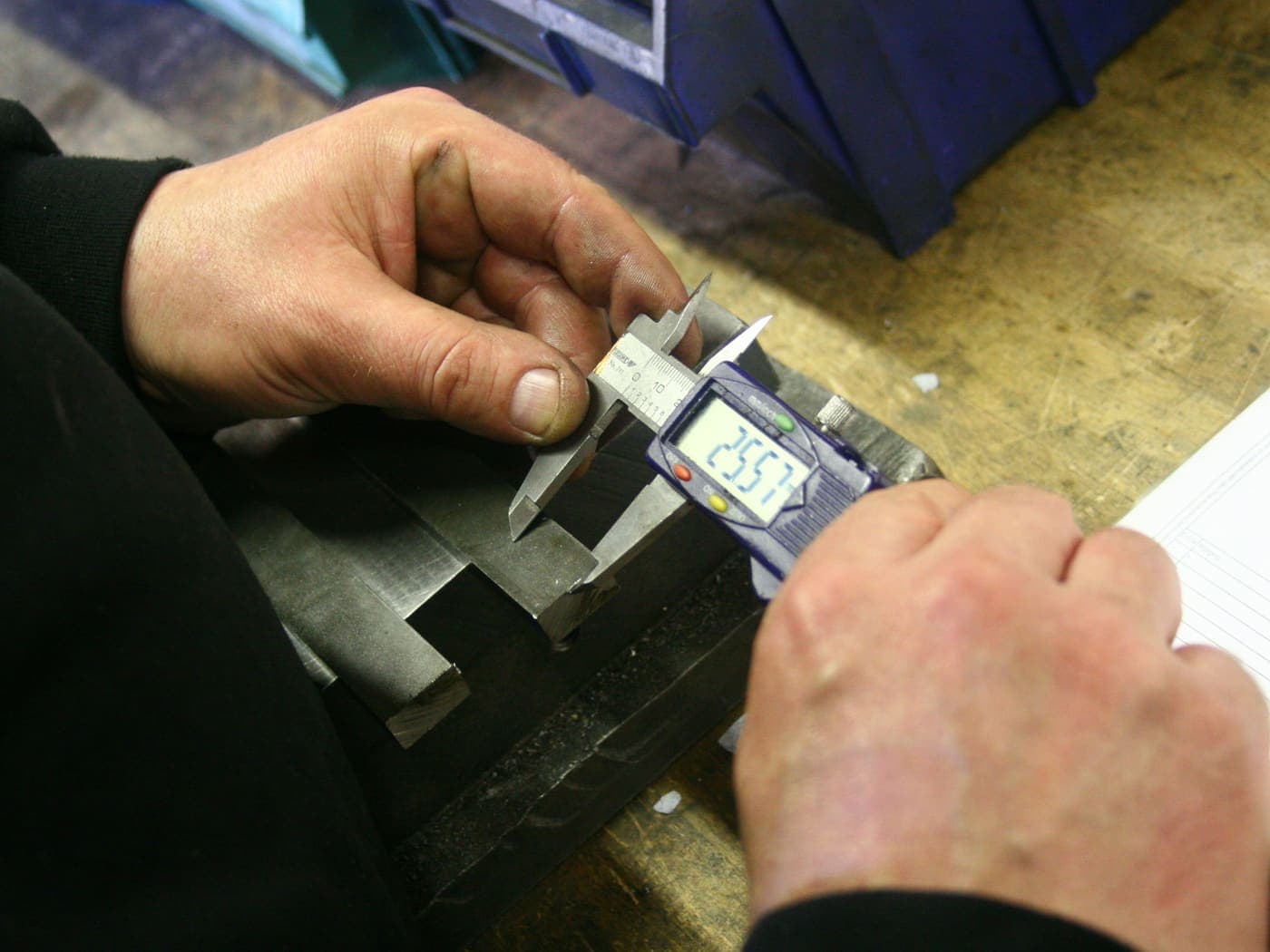
Detect changes affecting calibration, inspection, testing, measurement, serialization, and traceability platforms. Help preserve the integrity of product quality and production history data.
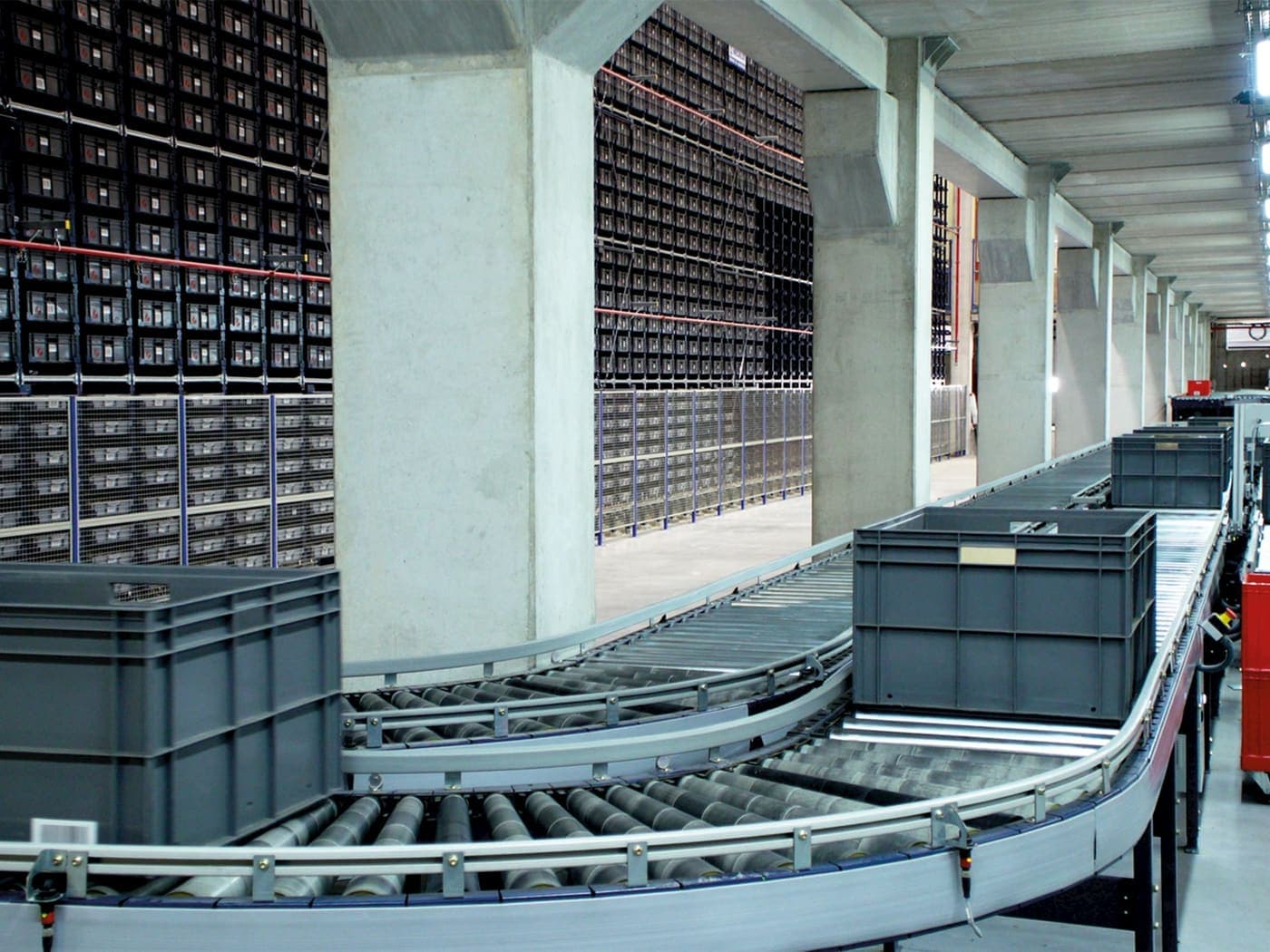
Secure automated packaging lines, conveyor systems, warehouse control systems, sorting equipment, robotic handling, barcode systems, and connected logistics platforms.
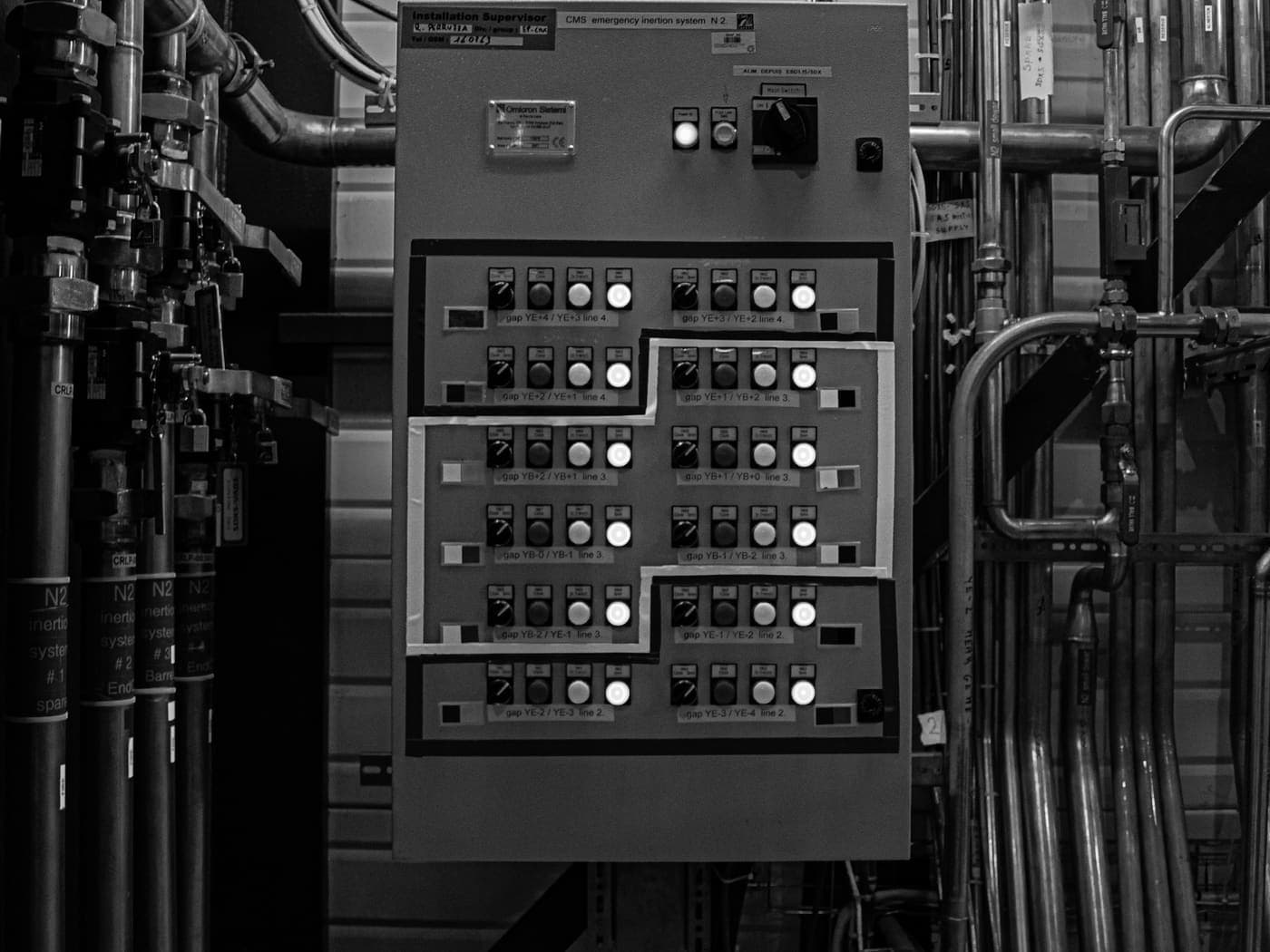
Protect electrical distribution, backup power, compressed air, HVAC, water, industrial gases, access control, fire systems, and other facility services required to maintain production.
Cybersecurity requirements should extend from the selection of industrial technology through its operational use, maintenance, modernization, and replacement.
Replacement equipment re enters at design, at Design.
Decommissioning ends the lifecycle of one asset. Modernization starts another, on a plant that is still running.
Define security requirements during equipment procurement
Assess OEM and system integrator dependencies
Establish trusted software and configuration baselines
Validate network and access boundaries before commissioning
Monitor changes during production and maintenance
Preserve approved controller logic, recipes, and recovery configurations
Track vulnerabilities and compensating controls throughout equipment lifecycles
Maintain evidence for internal assurance and regulatory reviews
Improved continuity of production and delivery commitments
Contextual intelligence across production equipment and supporting systems
Risk prioritization based on safety, quality, output, and financial consequences
Earlier identification of abnormal production system activity
Stronger protection of controller logic, machine settings, recipes, and intellectual property
Improved governance of OEM, contractor, and supplier access
More controlled vulnerability remediation in production environments
Coordinated response and recovery across operations, engineering, IT, and security teams
Consistent governance across multiple plants and production lines
Traceable evidence for audits, customers, insurers, and regulators
Discuss how Dawon can support security intelligence, operational risk management, and incident readiness across production lines, industrial automation, and multi site manufacturing environments.