
Securing the Connected Railway Ecosystem
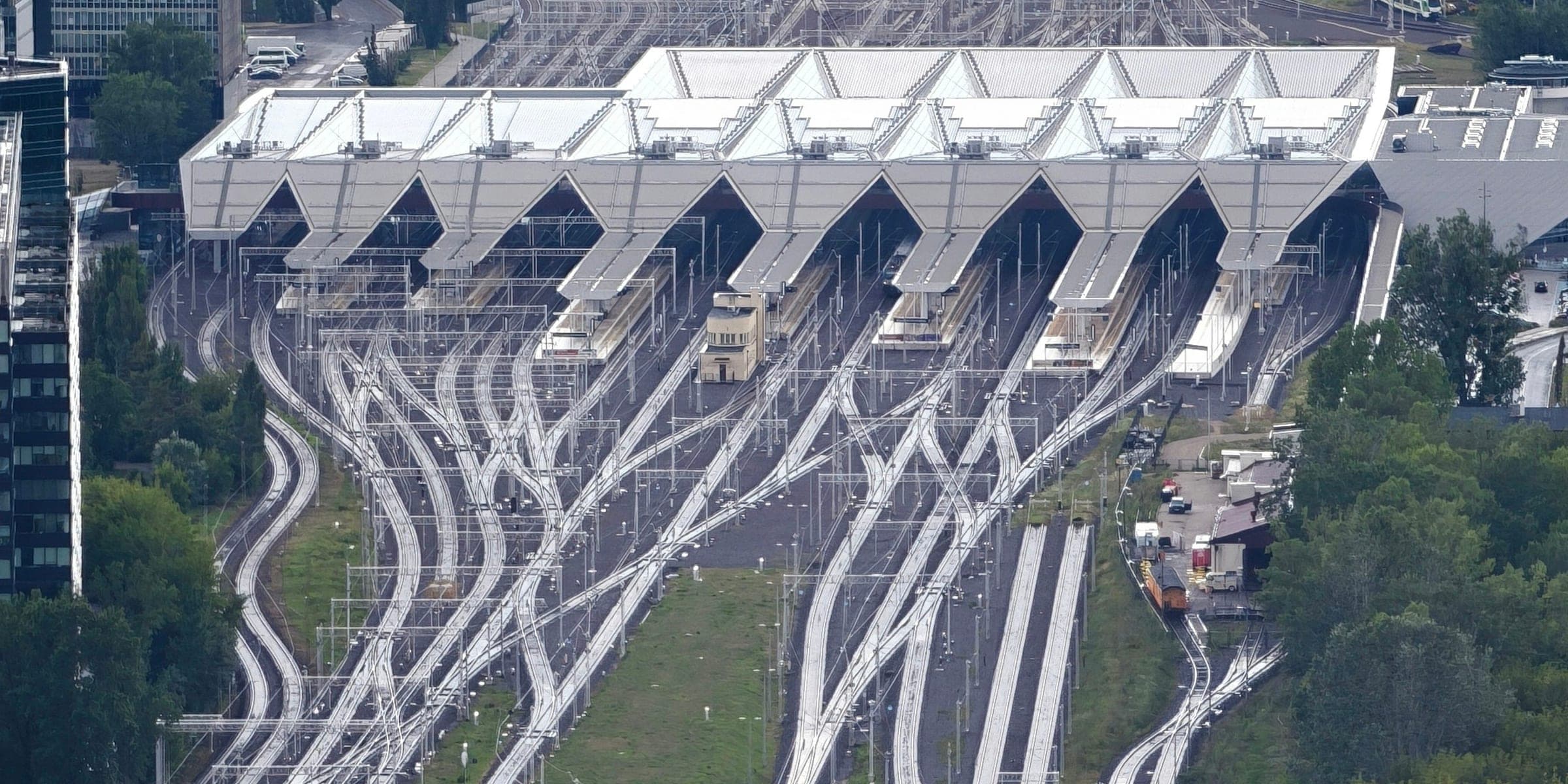
Railways support passenger mobility, freight movement, supply chains, and national infrastructure. Dawon provides Asset Intelligence, threat detection, compliance and risk management, incident readiness and response across railway operations from signalling and traffic management to rolling stock, stations, depots, and passenger services.
- Signalling
- Traffic Management
- Rolling Stock
- Stations
- Depots
Connected Railways Create an Interdependent Security Environment
Modern railway operations depend on interconnected signalling, communications, rolling stock, traffic management, station systems, maintenance platforms, passenger services, and external suppliers.
Digital signalling, automated operations, predictive maintenance, wireless communications, remote engineering, and centralized traffic management improve capacity and efficiency. At the same time, they create new connections between operational technology, enterprise IT, cloud services, trains, stations, and third party networks.
A compromise in one environment can affect train movement, operational control, passenger information, ticketing, maintenance, freight services, or network availability.
Safety and Service Continuity
Railway cybersecurity is directly connected to operational safety. Unauthorized access, configuration changes, communication disruption, or manipulation of operational data may cause delays, require precautionary shutdowns, or affect safety related functions.
Security decisions must therefore account for passenger safety, train movements, engineering constraints, and service continuity.
Distributed and Long Lived Infrastructure
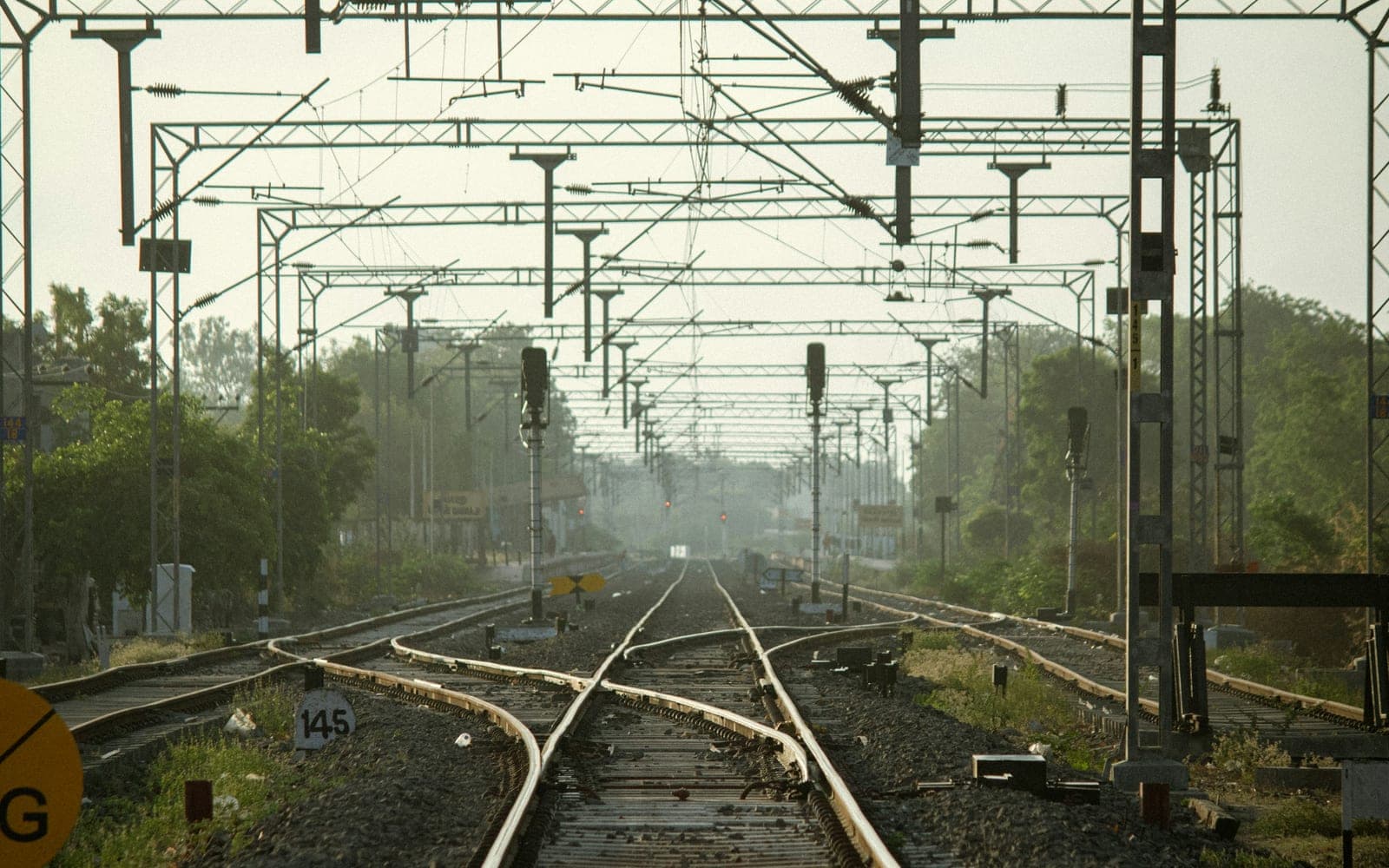
Railway systems extend across tracks, stations, depots, control centres, communication networks, and moving trains. Many technologies remain operational for decades and cannot be easily patched, restarted, or replaced.
Security must protect both modern connected systems and older infrastructure without disrupting railway operations or affecting safety.
Expanding Connectivity
Connections between trains, wayside infrastructure, stations, operations centres, enterprise systems, and external services increase the potential attack surface.
Remote maintenance and supplier access create additional risk when credentials, connections, and engineering activity are not consistently governed.
Complex Supplier Ecosystem
Railway operators depend on rolling stock manufacturers, signalling providers, communications companies, maintenance contractors, software suppliers, and system integrators.
Cybersecurity responsibilities and evidence must remain traceable across the complete supplier and operational lifecycle.
The Connected Architecture Behind Modern Rail Operations
Traffic Management
ROUTE SETTING · TIMETABLE · CONTROL
Interlocking
ROUTE LOCKING · CONFLICT PREVENTION
Trackside Equipment
POINTS · SIGNALS · TRAIN DETECTION
- RADIO BEARER · BOTH WAYS
- BALISE · TRACK TO TRAIN
Rolling Stock
ONBOARD CONTROL · DRIVER INTERFACE
- Enterprise IT
- Cloud Services
- Remote Engineering
- Supplier Networks
- Passenger Services
Operational Intelligence Across Railway Operations
Dawon establishes a shared security context across fixed infrastructure, rolling stock, stations, operational control, and supporting services. This allows cyber events to be evaluated according to their potential effect on safety, service availability, and passenger or freight operations.
Asset Intelligence
Develop continuously updated intelligence about operational systems, software, configurations, communications, ownership, location, and railway function. Dawon connects each system to the service or operational process it supports, creating a unified understanding of the railway environment.
Operational Dependency
Map relationships between signalling, train operations, station services, maintenance environments, communications, enterprise systems, and external suppliers. Understand how disruption within one system or provider could affect wider railway operations.
Threat Detection
Identify suspicious communications, unauthorized access, abnormal behaviour, credential misuse, unexpected data movement, and unapproved changes across railway environments. Dawon correlates technical activity with railway operations, helping teams focus on events that could affect safety or service continuity.
Safety Informed Risk Prioritization
Prioritize vulnerabilities and exposures according to their potential impact on:
- Passenger and workforce safety
- Train movement and traffic management
- Service availability and timetable continuity
- Freight and supply chain operations
- Recovery complexity
- Regulatory responsibilities
Remote Access and Supplier Governance
Connect remote activity to the responsible user, supplier, business purpose, approved period, and affected railway environment. This strengthens accountability while allowing authorized engineering and maintenance work to continue.
Incident Readiness and Response
Coordinate cyber response with railway operations, engineering, safety, communications, and management teams.
Cyber Incident Response Built Around Service Continuity
- 01Detect
- 02Validate
- 03Assess Safety and Service Impact
- 04Coordinate
- 05Contain Safely
- 06Recover
- 07Preserve Evidence
Containment decisions account for train movements, passenger safety, engineering requirements, and the potential operational impact of disconnecting or isolating a system.
A Unified Architecture for Connected Railway Systems
Infrastructure and Signalling
INTERLOCKING · POINTS · SIGNALS · TRAIN DETECTION
Rolling Stock
ONBOARD CONTROL · DIAGNOSTICS · COMMS
Stations and Depots
PASSENGER SYSTEMS · MAINTENANCE PLATFORMS
Operations and Supporting Services
TRAFFIC MANAGEMENT · ENGINEERING · REMOTE ACCESS
ASSET INTELLIGENCE · THREAT DETECTION · RISK MANAGEMENT · INCIDENT READINESS AND RESPONSE
Infrastructure and Signalling
Protect the operational environments responsible for train detection, route control, signalling, trackside communications, and network coordination.
Rolling Stock
Maintain security intelligence across onboard control, communications, monitoring, diagnostics, and passenger service environments.
Stations and Depots
Secure connected operational systems supporting station management, passenger services, maintenance, and depot operations.
Operations and Supporting Services
Protect traffic management centres, engineering environments, enterprise applications, remote access services, and external connections supporting railway operations.
Security Throughout the Railway Lifecycle
Railway systems have long operational lifecycles, making it essential to integrate cybersecurity into design, procurement, commissioning, operation, maintenance, modernization, and decommissioning.
- Design
- Procurement
- Integration
- Commissioning
- Operation
- Maintenance
- Modernization
- Decommissioning
The first four stages are the only ones a railway passes through once. Everything after them repeats for as long as the line is open, which is why a security requirement written at design has to still be provable at the fourth modernization.
Dawon helps railway organizations
Establish cybersecurity requirements during design and procurement
Assess supplier and technology dependencies
Maintain trusted software and configuration baselines
Monitor operational activity and unauthorized changes
Manage vulnerabilities within safety and availability constraints
Govern contractor and remote maintenance access
Preserve evidence for assurance, audits, and investigations
Coordinate cybersecurity with railway safety management
Outcomes Across Safety, Service, and Governance
Unified intelligence across railway infrastructure and operations
Earlier identification of suspicious activity and unauthorized changes
Risk prioritization based on safety and service consequences
Improved protection for long lived railway technology
Stronger governance of suppliers and remote access
Better coordination between cybersecurity, engineering, operations, and safety teams
Faster assessment and safer containment of cyber incidents
Greater resilience for passenger and freight services
Traceable evidence across the railway system lifecycle
Dawon centralizes evidence management and aligns railway cybersecurity governance with applicable requirements, standards, and industry guidance, including:
- CLC/TS 50701Railway Applications: Cybersecurity
- EN 50126Railway RAMS lifecycle
- EN 50129Safety related electronic signalling systems
- ISA/IEC 62443 series
- NIST Cybersecurity Framework 2.0
- NIST SP 800 82 Rev. 3
- ENISA Railway Cybersecurity Guidance
- NIS2 and applicable national transport sector requirements
- TSA rail cybersecurity requirementsfor applicable U.S. operators
- Applicable national railway safety and cybersecurity requirements
- CERT In Directions 2022cyber incident reporting in India
- NCIIPC guidelinesprotection of Critical Information Infrastructure in India
- CERT Railthe Indian Railways sector response team
- Indian Railways ICT Security PolicyMinistry of Railways
Strengthen Cyber Resilience Across Railway Operations
Protect railway infrastructure, rolling stock, stations, and operational services with cybersecurity designed around safety, availability, and uninterrupted movement.