Protecting Operations Across the Oil and Gas Value Chain
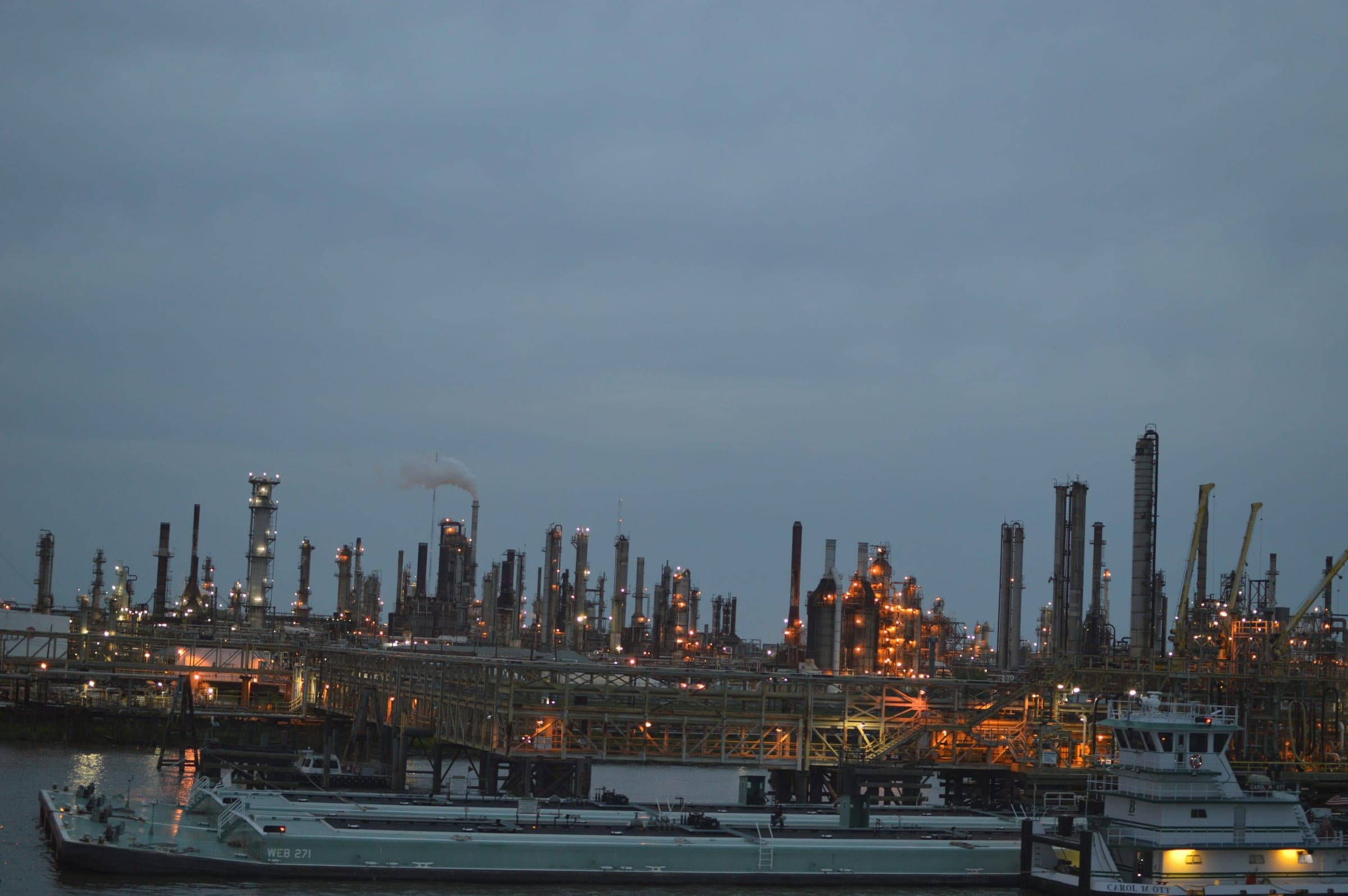
Oil and gas operations underpin global energy supply, transportation, and industrial production. Dawon provides Asset Intelligence, threat detection, risk management, incident readiness and response across the full value chain, from production fields and offshore facilities to pipelines, refineries, storage terminals, and distribution infrastructure.
- Upstream
- Midstream
- Downstream
- Storage
- Distribution
Oil and Gas Operations Form an Interdependent Security Environment
Oil and gas infrastructure does not operate as a collection of isolated facilities. Production, transportation, processing, storage, and distribution share operational systems, enterprise applications, remote communications, engineering services, and external suppliers.
Centralized operations, industrial IoT, predictive maintenance, remote engineering, and IT/OT integration have all strengthened efficiency. The same connectivity opens pathways for ransomware, compromised credentials, unauthorized access, malicious software, and supply chain incidents to reach critical operations.
A compromise in one environment can affect production availability, process stability, pipeline reliability, worker safety, environmental protection, or regional energy supply.
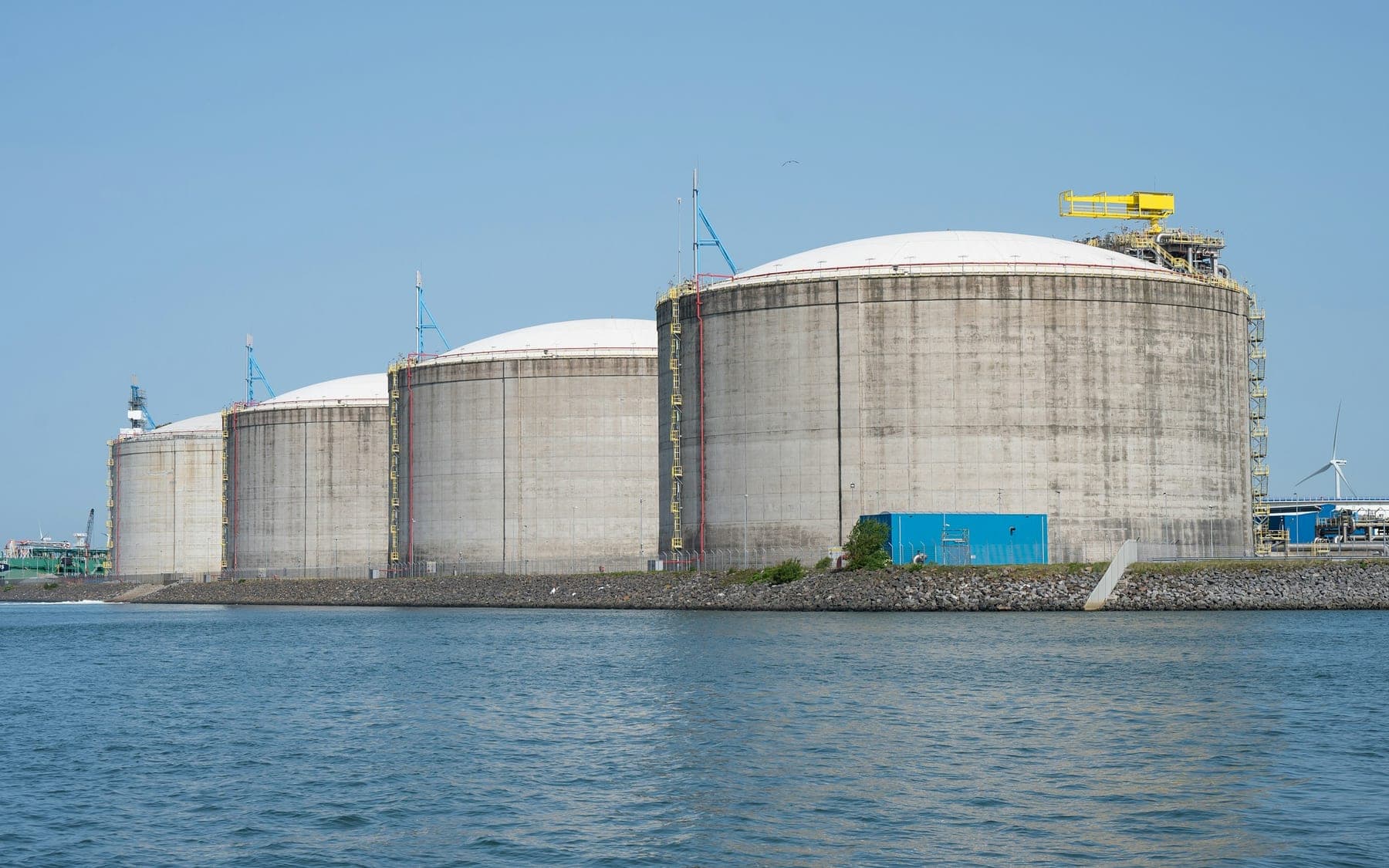
Geographically Distributed Operations
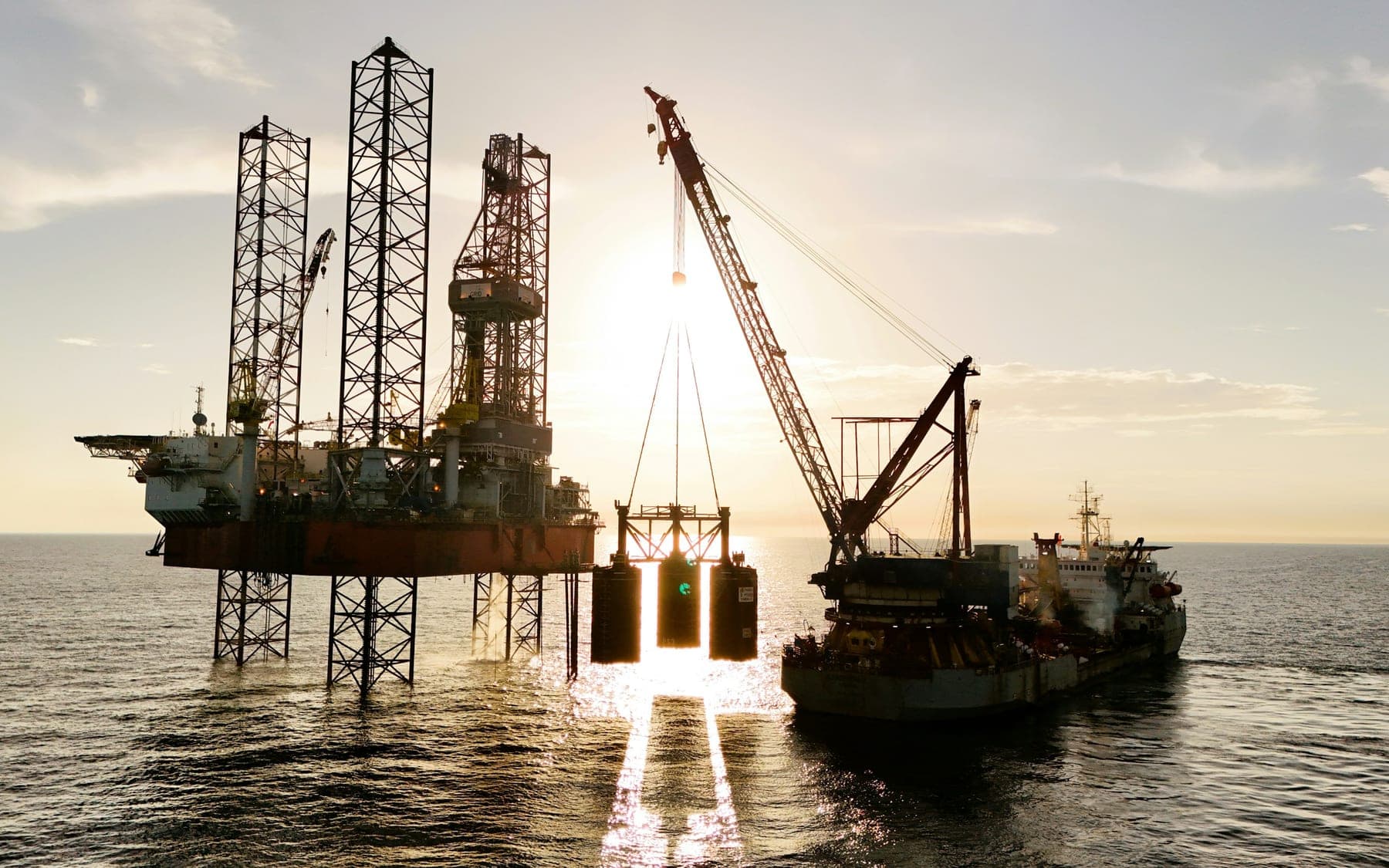
Infrastructure extends across offshore platforms, remote production fields, processing plants, pipelines, storage facilities, refineries, and distribution terminals.
Each runs under different connectivity conditions, security maturity, maintenance schedules, and engineering constraints. Governance has to stay consistent without losing the local context needed for safe decision making.
Safety and Environmental Consequences
Unauthorized control activity, configuration changes, or operational disruption can affect process stability, equipment integrity, containment, personnel safety, and environmental protection. Security decisions must account for real world operating conditions.
IT and OT Convergence
Enterprise applications, operations centres, cloud services, analytics platforms, and remote maintenance systems are increasingly connected to operational environments. The same integrations let a compromise in enterprise IT or an external service move toward production systems.
Legacy and Specialized Technology
Facilities depend on specialized systems with long operating lifecycles that cannot be patched, upgraded, scanned, restarted, or replaced without OEM review and scheduled downtime.
Remote Connectivity Constraints
Offshore platforms, pipelines, production fields, and isolated facilities may rely on satellite, wireless, cellular, or bandwidth constrained links. Security must remain effective where connectivity is intermittent, latency is high, and a central platform is not always reachable.
Third Party and Contractor Access
Equipment manufacturers, maintenance contractors, engineering teams, system integrators, and specialist providers all require access to operational environments. Persistent connections, shared credentials, unmanaged pathways, and limited session oversight turn a compromised third party into an entry point.
Complex Supply Chain Dependencies
Operations depend on specialized hardware, embedded software, communications providers, engineering services, and industrial technology suppliers. One supplier compromise can reach multiple facilities, processes, and regions, so organizations need to know where suppliers connect, which systems they influence, and what would follow.
Distinguishing Cyber Events from Operational Faults
Equipment degradation, communication loss, process disturbances, maintenance activity, configuration errors, and cyber incidents produce similar symptoms. Investigation requires cybersecurity information correlated with process conditions, engineering activity, and maintenance schedules.
Operational Intelligence Across Oil and Gas Operations
Dawon establishes one security context across upstream, midstream, downstream, storage, and distribution environments. Technical findings are evaluated against operational processes, safety requirements, and production priorities.
Asset Intelligence
Maintain continuously updated intelligence on operational systems, connected technologies, communications pathways, software, configurations, ownership, location, and purpose.
Each system is tied to the process and facility it supports, giving one understanding of the operational environment.
Process and Dependency Mapping
Map how production processes, operational systems, enterprise services, remote communications, and suppliers depend on one another, and what disruption to any one of them would mean for production, transportation, processing, storage, or distribution.
Threat Detection
Identify suspicious communications, unauthorized access, abnormal system behaviour, unexpected data movement, credential misuse, and unapproved changes across operational environments.
Activity is correlated with operational context, so teams focus on events that could reach critical processes.
Pipeline and Remote Operations Intelligence
Monitor distributed pipeline and remote operating environments under limited connectivity, and prioritize exposures by their potential impact on safety, reliability, environmental protection, and operational continuity.
Refinery and Process Security
Correlate cyber events with process relationships and operating conditions across refining and processing, so security and engineering teams can investigate activity that could affect process stability, production availability, safety controls, or environmental protection.
Operationally Informed Exposure Management
Evaluate vulnerabilities using asset function, connectivity, known threats, operating conditions, process dependencies, available safeguards, and potential consequences.
Configuration and Change Assurance
Hold trusted baselines for system configurations, communication relationships, operational settings, and access policies, then determine whether a change is legitimate maintenance, engineering activity, system failure, or compromise.
Segmentation and Connectivity
Understand how operational zones, enterprise systems, remote sites, third party services, and external networks communicate, and identify unexpected pathways, excessive connectivity, and routes for lateral movement.
Remote Access and Supplier Governance
Tie remote activity to the responsible user, organization, business purpose, approved access period, and affected operational process, with traceable session evidence across contractor and supplier relationships.
Oil and Gas Threat Intelligence
Correlate site activity with intelligence on vulnerabilities, adversary behaviour, malicious infrastructure, industrial attack techniques, and campaigns affecting operations, so teams know whether what they are seeing is isolated or part of a broader campaign.
Operationally Coordinated Incident Response
Prepare for ransomware, unauthorized operational access, compromised remote connections, malicious configuration changes, and supply chain incidents.
A Unified Model Across the Oil and Gas Value Chain
Upstream
Production fields, drilling operations, offshore platforms, remote facilities, and gathering operations.
Dawon maintains intelligence across distributed upstream environments under restricted bandwidth, remote access requirements, and specialized technology.
Midstream
Pipeline transportation, compressor and pumping operations, storage, gathering networks, and centralized operating environments.
Dawon identifies cyber activity that could affect product movement, pipeline reliability, remote operations, or safe operating conditions.
Downstream
Refineries, processing facilities, petrochemical operations, product blending, and industrial utilities.
Dawon correlates cyber events with operational process context to find activity that could affect production continuity, process stability, product integrity, safety, or environmental controls.
Storage and Distribution
Storage terminals, tank farms, transfer and loading operations, measurement environments, and fuel distribution infrastructure.
Dawon protects the systems and dependencies responsible for storing, transferring, measuring, and distributing finished products.
Four Stages, One Continuous Layer
Upstream
- Exploration
- Drilling
- Extraction
- Offshore and Onshore Production
Midstream
- Gathering
- Pipelines
- Transportation
- Storage
Downstream
- Processing
- Refining
- Petrochemical Operations
Distribution
- Terminals
- Loading
- Product Transfer
- Delivery Infrastructure
- Many dispersed sources converge on a few processing complexes, and finished product fans back out to many delivery points. The security estate has the same shape as the operation.
- Midstream is the one stage whose control systems sit at unmanned stations across long distances, reached over satellite, cellular and narrowband links.
Four stages under different owners, regulators and operating conditions. The intelligence layer is continuous because a compromise moves along the same paths the product does.
Applications Across the Oil and Gas Ecosystem
- Operations Centre
- Production Field
- Pipeline
- Refinery
- Petrochemical Plant
- Storage Terminal
- LNG Facility
- Offshore PlatformSatellite
Offshore Operations
Protect production and supporting environments where restricted physical access, specialized equipment, limited bandwidth, satellite communications, and contractor relationships complicate security.
Onshore Production
Establish consistent Asset Intelligence and threat detection across dispersed production sites, remote facilities, and centralized operations, and identify unauthorized access, abnormal communications, configuration changes, and emerging exposure.
Pipeline Operations
Protect the operational systems and communications behind pipeline transportation and remote facilities, and connect cyber activity to its consequences for product movement, availability, safety, and regulatory obligations.
Refining and Processing
Secure interconnected processing environments where disruption carries safety, environmental, production, and financial consequences, and separate suspicious activity from expected process changes, maintenance events, and equipment faults.
Storage and Terminal Operations
Protect the processes behind product storage, measurement, transfer, loading, and distribution, with intelligence across connected systems, third party access, and remote communications.
LNG Operations
Strengthen security across gas processing, liquefaction, storage, terminal, transportation, and regasification environments, where decisions account for process safety, continuous operation, and coordination across multiple facilities and service providers.
Petrochemical Facilities
Protect continuous and batch process environments where an incident may affect production quality, process stability, safety, environmental control, and downstream supply.
Centralized Operations Centres
Secure the communications, applications, engineering services, and remote access pathways linking central teams to distributed facilities, and identify abnormal activity before it spreads across sites.
Security Throughout the Operational Lifecycle
Decisions taken during engineering, procurement, and integration stay with a facility for decades of operation. Dawon carries assurance from initial design through modernization and decommissioning.
- Design
- Procurement
- Integration
- Commissioning
- Operation
- Maintenance
- Modernization
- Decommissioning
- Design
- Procurement
- Integration
- Commissioning
- Operation
- Maintenance
- Modernization
- Decommissioning
- Repeats on the scheduled turnaround cycle
This approach helps organizations:
Set cybersecurity requirements during facility and system design
Assess technology suppliers and service providers before deployment
Define operational zones and approved communication pathways
Preserve trusted configuration and software baselines
Validate access controls before operational handover
Monitor cyber activity and operational change in production
Manage vulnerabilities within engineering constraints
Govern contractor and supplier access throughout the lifecycle
Preserve evidence for investigations, audits, and regulatory reporting
Remove obsolete accounts, connections, and credentials at decommissioning
Operational and Regulatory Outcomes
Unified security intelligence across upstream, midstream, downstream, and distribution
Earlier identification of suspicious activity and unauthorized changes
Stronger protection of production, transportation, processing, and storage
Risk prioritization based on safety and operational consequences
Improved governance of suppliers, contractors, and remote access
Greater protection for long lived and difficult to update technology
Faster identification of affected processes, facilities, and business services
Better coordination between cybersecurity, engineering, operations, and safety
Safer incident containment and more structured operational recovery
Traceable evidence for audits, investigations, and regulatory reporting
Greater resilience against ransomware, supply chain compromise, and disruption
Dawon centralizes evidence and aligns operational cybersecurity governance with applicable requirements, standards, and industry guidance, including:
- NIST Cybersecurity Framework 2.0
- NIST SP 800 82 Rev. 3Guide to Operational Technology Security
- ISA/IEC 62443 seriesIndustrial automation and control system security
- API Standard 1164Pipeline control systems cybersecurity
- TSA pipeline cybersecurity requirements and guidance
- CISA Cross Sector Cybersecurity Performance Goals
- DOE Cybersecurity Capability Maturity Model
- NIS2 and applicable European energy sector requirements
- Australian Security of Critical Infrastructure Act
- NERC CIPWhere applicable to connected electric infrastructure
- Applicable national, regional, contractual, and operator specific requirements
Strengthen Cyber Resilience Across the Oil and Gas Value Chain
Protect critical energy operations with unified cybersecurity designed around operational processes, engineering constraints, safety requirements, and production priorities.