Distributed Operations
Energy assets now extend from centralized control rooms to remote substations, renewable sites, field devices and distributed energy resources.
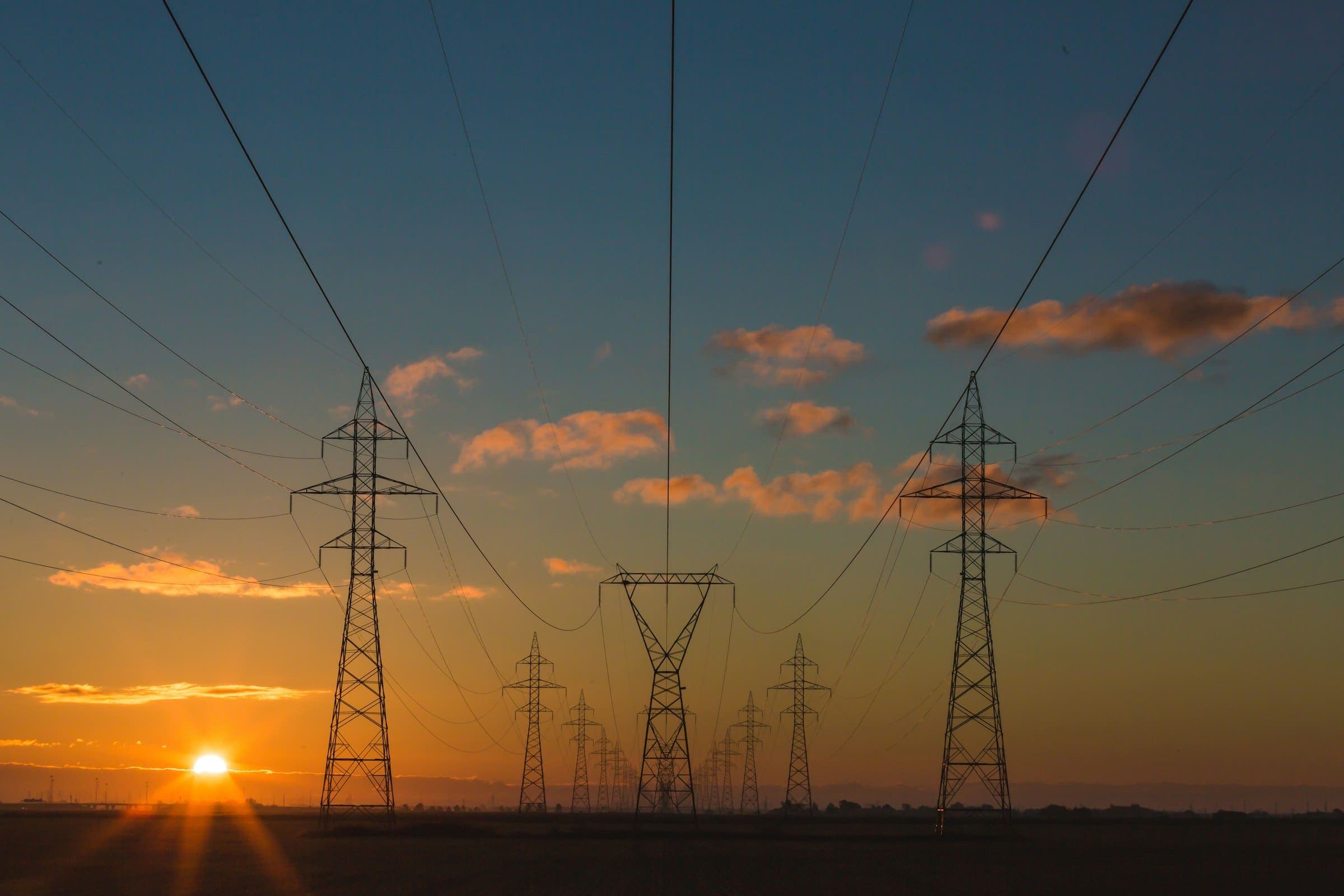
As energy infrastructure becomes more distributed, digital and interconnected, its exposure to cyber risk continues to grow. Dawon helps energy operators protect generation, transmission, distribution and distributed energy resources through one integrated cyber defense platform.
Traditional power infrastructure now operates alongside renewable generation, battery storage, EV charging networks, smart meters and remotely managed assets. This transformation improves efficiency and flexibility, but it also creates new pathways through which cyber incidents can affect essential operations.
Energy assets now extend from centralized control rooms to remote substations, renewable sites, field devices and distributed energy resources.
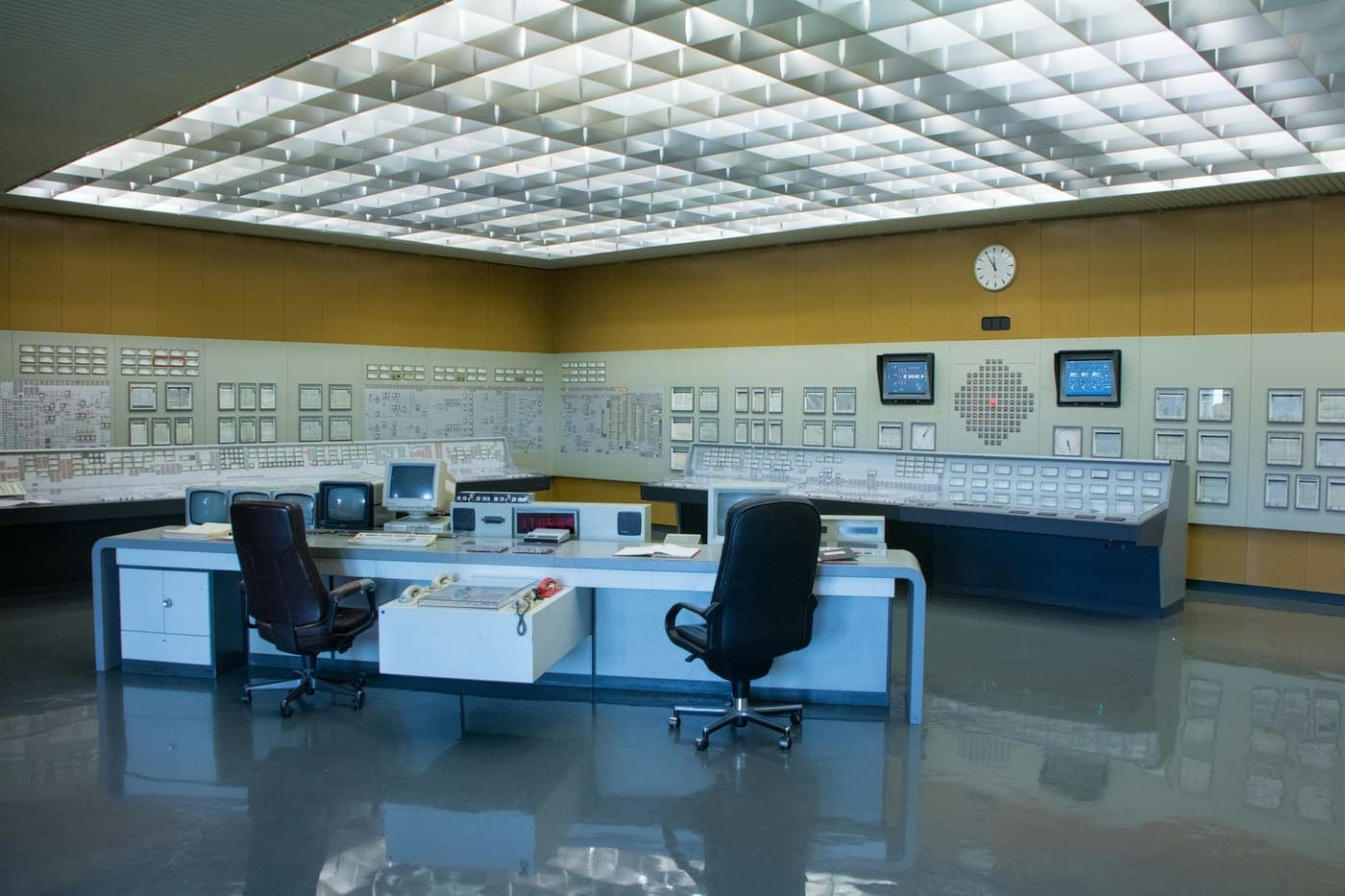
Long lived industrial control systems must operate alongside modern platforms, connected devices, remote services and open communication protocols.
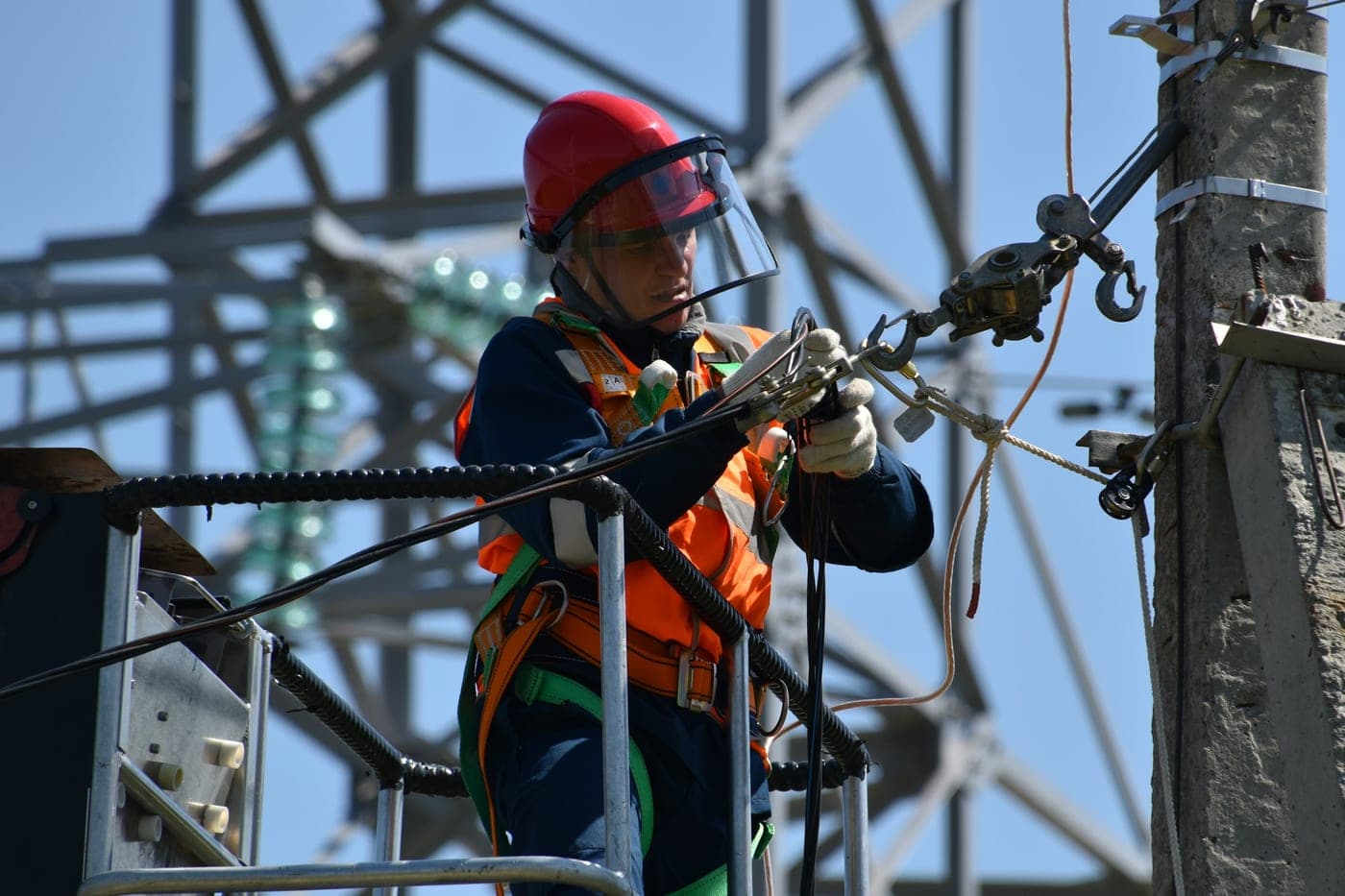
A cyber incident can disrupt power availability, damage equipment, affect worker safety, create environmental risks and interrupt the critical services that depend on energy.
Dawon provides consistent asset intelligence and operational context across centralized facilities, geographically distributed infrastructure and remotely managed energy assets.
THERMAL · HYDRO · SOLAR · WIND · BESS
SUBSTATIONS · HVDC · PROTECTION · SCADA
GRID AUTOMATION · SMART METERS · RTU
ROOFTOP PV · BESS · EV CHARGING
ASSET INTELLIGENCE · THREAT DETECTION · RISK · INCIDENT RESPONSE · COMPLIANCE
Thermal, hydroelectric, solar, wind, combined heat and power, and battery energy storage facilities.
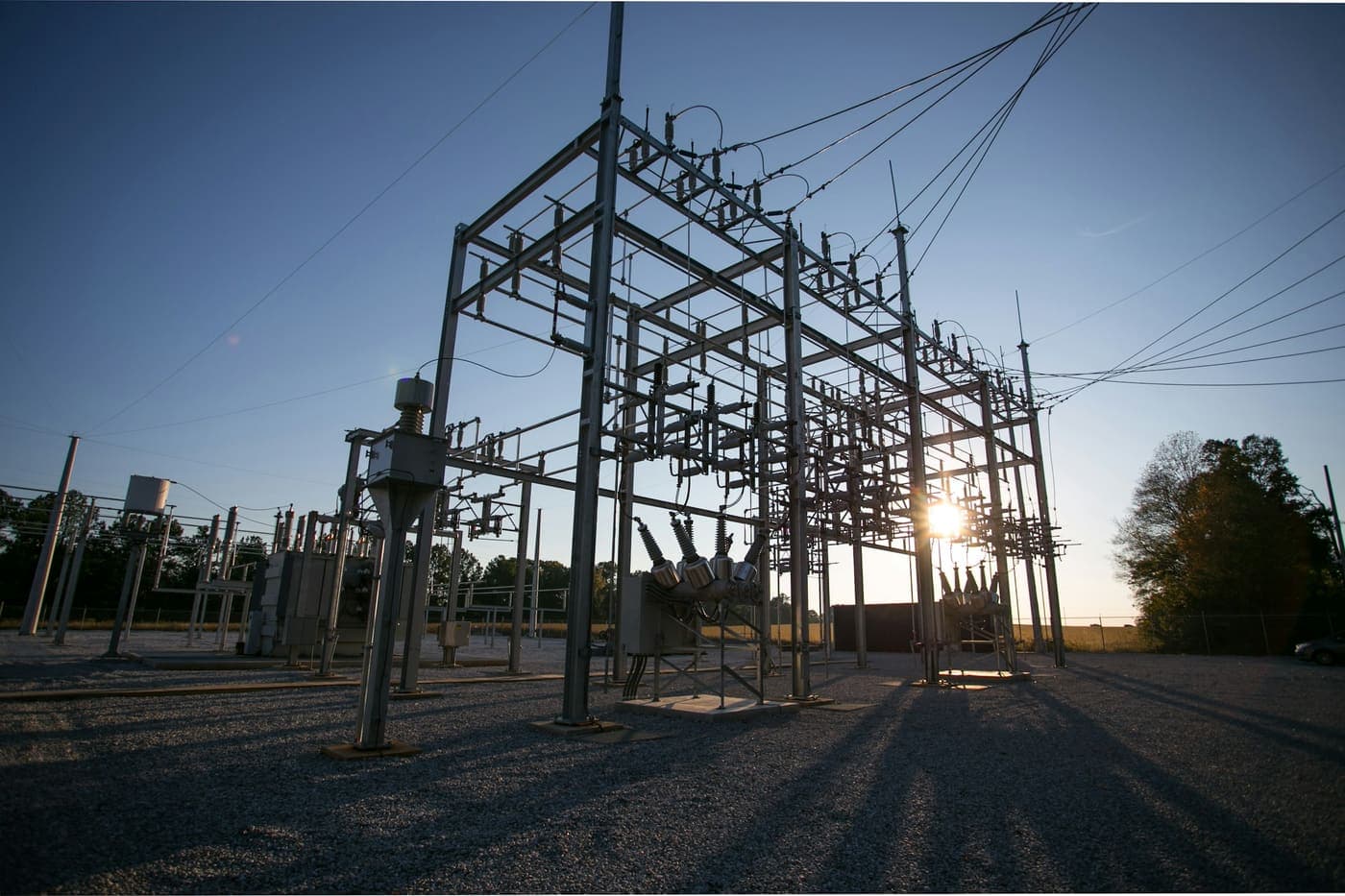
Transmission substations, protection and control systems, SCADA environments, and HVDC infrastructure.
Distribution substations, grid automation, microgrids, smart meters, and field deployed remote terminal units.
Solar PV, wind generation, battery storage, EV charging networks, and remotely managed energy systems.
Dawon connects assets, threats, vulnerabilities, operational processes and regulatory requirements so that technical findings can be evaluated according to their real world consequences.
Maintain a current view of control centers, generation facilities, substations, field devices, renewable assets and distributed energy resources including their connections and dependencies.
Identify suspicious activity across critical control systems and remote operations. Prioritize exposures based on their potential impact on safety, reliability, and operational continuity.
Validate relevant attack scenarios in controlled environments and prepare response procedures before an incident affects live operations.
Connect operational evidence with applicable requirements, including ISA/IEC 62443, NIST SP 800 82, NERC CIP, NIS2 and relevant national regulations.
Understand how OEM access, contractors, remote connections, software components and maintenance dependencies affect the wider operational environment.
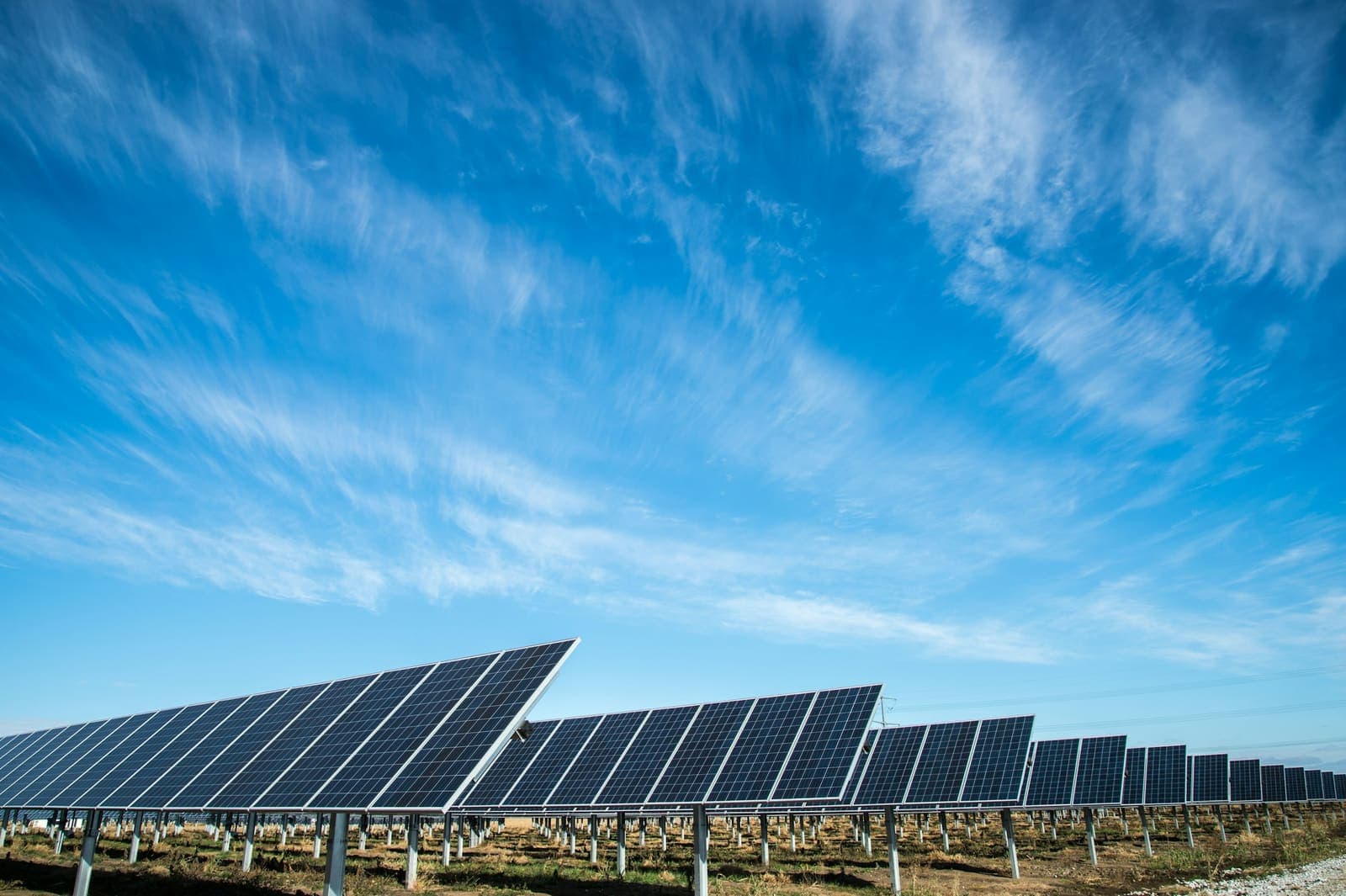
Protect energy availability by reducing the risk of disruption across generation, transmission and distribution.
Prioritize critical exposure using operational, safety, financial and regulatory consequences.
Improve incident readiness with validated scenarios, defined responsibilities and response procedures.
Support the energy transition by securing renewable generation, battery storage, smart meters and EV charging infrastructure.
Simplify regulatory assurance through current evidence, control tracking and audit ready reporting.
Build long term resilience across facilities, technologies, suppliers and distributed operations.
Strengthen cyber resilience across traditional power infrastructure and emerging energy technologies through a unified security approach.